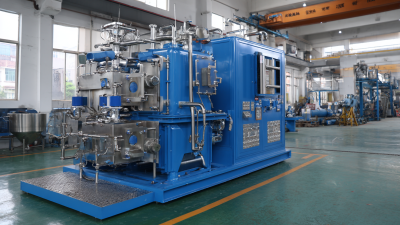
A Single Shaft Mixer is pretty essential in a whole bunch of industries—it's all about blending materials smoothly and efficiently. I was chatting with John Smith from MixTech Solutions (he's basically the go-to guy when it comes to mixing tech), and he mentioned, “The Single Shaft Mixer does a really good job of blending stuff evenly, which keeps the quality high in production.” His take really highlights just how important this kind of equipment is if you're aiming for top-notch results.
So, how does it actually work? Well, it has this neat design—just one shaft spinning inside a stationary shell. That setup makes it pretty effective at mixing all sorts of materials, whether powders or liquids. Folks using these mixers usually see faster processing times and get more consistent mixes. That said, some have run into issues trying to get everything perfectly homogeneous, which makes you think about maybe tweaking how they operate it.
Bringing a Single Shaft Mixer into your production line can give things a real boost. But, of course, picking the right model for your specific needs is super important. Getting to know how it works, its strengths, and potential hiccups really helps in making smarter choices and getting better results overall.

Definition of a Single Shaft Mixer and Its Purpose
A single shaft mixer is a vital piece of equipment in various industries, including food, pharmaceuticals, and construction. Its primary purpose is to blend materials efficiently. This mixer features a single rotating shaft with mixing blades attached. The design allows for homogeneous mixing of different substances, which is crucial in producing consistent quality products.
In operation, a single shaft mixer draws in raw materials through an inlet. As the shaft spins, the blades create a whirlpool effect, ensuring every particle is engaged in the mixing process. It efficiently blends powders, liquids, and pastes. The speed and torque can be adjusted, allowing flexibility for different applications. However, achieving the perfect blend requires careful monitoring. Overmixing can degrade sensitive materials, while undermixing can lead to inconsistencies.
Safety is also a concern. Operators should ensure proper training to avoid accidents. Understanding each component’s role helps in optimizing the mixing process. Often, feedback is essential to enhance efficiency. It is worth reflecting on how minor tweaks in procedure can lead to significant improvements in performance and safety.
Single Shaft Mixer Performance Analysis
The following chart illustrates the efficiency of a single shaft mixer across different material types. The data represents the mixing time in seconds for each material to achieve optimal uniformity. The materials analyzed include powders, pastes, and granules.
Key Components of a Single Shaft Mixer
A single shaft mixer is essential in many industries, particularly in the food, pharmaceuticals, and chemical sectors. It consists of several key components that work together to ensure efficient mixing. The main component is the mixing shaft, which is equipped with blades designed to create shear and turbulence. This design enhances the uniformity of the mixture, accommodating various viscosities.
The housing of the mixer plays a crucial role. Typically, it is manufactured from durable materials like stainless steel, ensuring easy cleaning and maintenance. Additionally, the drive system, which may utilize electric or hydraulic power, provides the necessary torque to the mixing shaft.
According to a report by Market Research Future, the demand for efficient mixers is expected to grow by 6.2% annually, driven by the need for better processing technology.
Another important aspect is the control system. It allows operators to adjust speed and mixing duration. Such flexibility is vital for achieving desired product characteristics. However, many users struggle with optimal settings. Improper adjustments can lead to inadequate mixing or excessive shear, affecting product quality.
Understanding each component's role helps in making informed decisions regarding mixer operation.
Principle of Operation: How Single Shaft Mixers Work
A single shaft mixer is designed for efficient mixing of various materials. It consists of a single rotating shaft with paddles or blades attached. This unique configuration allows for a consistent blending action, ideal for achieving homogenous mixtures. The mixer operates by utilizing centrifugal force and mechanical energy, creating a swirling motion within the mixing chamber. As the shaft spins, materials are drawn inwards and then expelled outward, ensuring thorough blending.
When using a single shaft mixer, consider the material's viscosity. High-viscosity substances might require more power. Ensure the right paddle design is chosen as it significantly influences mixing efficiency. Remember, improper paddle selection often leads to uneven mixtures.
Tips for operation include maintaining a clean mixer to prevent contamination. Regularly inspect the paddles for wear, as damaged blades can affect performance. Conducting routine maintenance helps prolong the mixer’s lifespan. Be aware of mixing times; over-mixing can alter material properties. Balancing mixing speed and duration is crucial for optimal results.
Applications of Single Shaft Mixers in Various Industries
Single shaft mixers are vital tools in many industries. Their design allows for uniform mixing of various materials. This capability is crucial in sectors like food processing, pharmaceuticals, and chemical manufacturing. In food processing, for example, they ensure that ingredients are evenly blended, improving flavor and texture. In pharmaceuticals, they promote a consistent mix of powders and liquids, which is essential for effective drug formulation.
In the construction industry, single shaft mixers play a specific role in concrete mixing. They provide thorough mixing, which enhances the strength and durability of concrete. A well-mixed concrete batch results in fewer cracks and longer lifespan for structures. This quality makes them suitable for large-scale projects.
When choosing a mixer, consider material viscosity. Not all mixers handle thick substances effectively. Some materials may require differently equipped tools. Always test small batches. Evaluate how well the mixer performs with your specific materials. Ensure your choice aligns with industry standards. Maintaining quality control is essential for achieving the desired results.
Benefits of Using a Single Shaft Mixer
Single shaft mixers are essential in various industries for their efficiency and versatility. They excel in blending materials with different properties, from granules to liquids. A well-designed single shaft mixer can significantly enhance product quality by ensuring uniform dispersion.
The benefits of using a single shaft mixer are notable. For instance, they often lead to reduced processing time. According to a study published by the Association for Advancing Automation, efficient mixing can reduce batch times by up to 30%. This efficiency not only saves time but also energy, contributing to lower operational costs. Additionally, the versatility of single shaft mixers allows for easy adaptation to different materials, making them ideal for companies managing diverse product lines.
Other advantages include ease of maintenance and lower space requirements. Though single shaft mixers can be less efficient for extremely thick materials, their overall reliability in moderate viscosity ranges is commendable. Regular maintenance can mitigate potential mechanical issues, ensuring consistent performance. As industries continue to push for innovation, the challenges of varying material compositions remain influential. Balancing efficiency with adaptability will be crucial for future developments in mixing technologies.
Maintenance and Care for Single Shaft Mixers
Single shaft mixers are crucial for various industries, designed to ensure effective mixing of materials. However, proper maintenance is key to their longevity and performance.
Regular inspections are essential. Check for wear and tear on the mixer’s blades and seals. If you notice any excessive wear, replace them promptly. This helps maintain mixing efficiency. Additionally, keep an eye on the bearings and lubrication. Insufficient lubrication can lead to overheating and premature failure.
Tips: Always clean the mixer after use. Residual materials can degrade performance over time. Consider developing a maintenance schedule. This can help you stay on top of essential tasks. Investing time in regular upkeep can save costs in the long run.
Don’t ignore unusual noises during operation. They can signal underlying problems. Addressing issues early prevents larger repairs. Furthermore, ensure that all electrical components are functioning correctly. Faulty wiring can lead to accidents. Regular maintenance fosters a safe working environment.
Comparative Analysis with Other Mixing Technologies
A single shaft mixer is a versatile tool in various industries. It employs a single rotating shaft equipped with mixing elements. This design fosters uniform blending of materials. However, it may not be the best choice for every situation.
In comparison to other mixing technologies, the single shaft mixer provides unique advantages. It generally consumes less energy and is easier to clean. This mixer is ideal for materials with similar viscosity. Conversely, it struggles with highly viscous or unevenly sized particles.
Other mixing technologies, such as twin-shaft mixers, offer greater mixing efficiency. Twin-shaft mixers excel at handling larger volumes and varying consistencies. However, they can be costlier and more complex to maintain. Users must evaluate their specific requirements carefully. This can lead to a significant impact on operational costs.
FAQS
: Single shaft mixers enhance product quality, reduce processing time, and lower operational costs. They adapt to various materials.
A well-designed mixer can cut batch times by up to 30%. This saves time and energy, benefiting overall productivity.
Regular inspections, wear checks on blades, and sealing are necessary. Proper lubrication is crucial to prevent overheating.
Residual materials can affect performance. Cleaning after use helps maintain efficiency and prolongs the mixer’s lifespan.
Unusual noises might signal underlying problems. Addressing them early can prevent larger, costlier repairs.
Single shaft mixers consume less energy and are easier to clean. However, twin-shaft mixers handle larger volumes better.
They excel with materials of similar viscosity but struggle with very thick or unevenly sized particles.
Follow a maintenance schedule and promptly address any anomalies. Consistent care leads to better reliability and safety.
Yes, if not maintained properly, efficiency can decrease over time, leading to longer processing times.
Balancing efficiency and adaptability is vital. Varying material compositions require careful evaluation of mixing needs.
Conclusion
A Single Shaft Mixer is a versatile blending device primarily used to achieve uniform mixing of various materials, ensuring consistency in product quality. The essential components of a Single Shaft Mixer include the mixing shaft, blades, and housing, all of which work together to facilitate effective material agitation. The principle of operation relies on the rotation of the mixing shaft, which generates movement within the mixer, leading to thorough blending of the ingredients.
Single Shaft Mixers find applications across numerous industries, from food processing to pharmaceuticals, due to their efficiency and adaptability. The benefits of using this type of mixer include reduced mixing times, enhanced product uniformity, and less energy consumption compared to other mixing technologies. Proper maintenance and care are crucial for ensuring optimal performance and longevity of the mixer. Overall, the Single Shaft Mixer stands out for its effectiveness in delivering high-quality mixtures, making it an invaluable tool in various manufacturing processes.