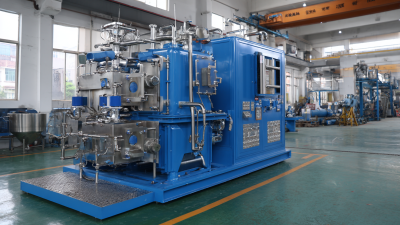
Picking the right equipment for your production line can sometimes feel a bit overwhelming. One option worth considering is the Single Shaft Paddle Mixer — it’s pretty versatile and works well across a bunch of different industries. But here’s the thing, not all mixers are made equal. It’s really important to match your specific needs with the right model so you don’t end up with something that just doesn’t fit.
These single shaft paddle mixers are great at mixing things evenly, and they don’t gobble up too much energy, which is a big plus. They’re designed to handle both dry powders and liquids effectively, making them a popular choice in food processing, chemical manufacturing, and even wastewater treatment. Still, finding the right mixer isn’t just about the specs — you gotta think about factors like capacity, what materials it'll handle, and exactly what you need it for.
When you’re shopping around, consider the scale of your operation. Something that’s perfect for small batches might totally fall flat if you’re running a larger production. Also, don’t forget to check out what other customers are saying, and dig into the manufacturer’s details. Sometimes even well-known brands have their quirks or issues. At the end of the day, choosing the right mixer isn’t just about getting the most efficiency — it’s about finding a reliable partner that’ll keep your production running smoothly in the long run.
When choosing a single shaft paddle mixer, understanding specific factors is crucial. The mixer’s capacity is essential. Depending on your production needs, capacities can range from 100 to 10,000 liters. Selecting an appropriate size ensures optimal mixing efficiency, reducing cycle time. For instance, a 1,000-liter capacity mixer could serve small to mid-sized operations effectively.
Mixing speed is another important factor. Generally, paddle mixers operate in the range of 20 to 100 RPM. It is crucial to balance speed and torque. Too much speed may degrade sensitive materials, while too little can result in inadequate mixing. Various studies, including those by the American Society of Mechanical Engineers (ASME), highlight that proper mixing speeds can enhance product uniformity by up to 30%.
Material construction also impacts performance. Stainless steel options provide durability and resistance to corrosion, which is vital in food and chemical industries. According to industry reports, equipment constructed with high-quality materials results in fewer breakdowns and maintenance costs. Investing in quality materials can yield a return on investment through reduced downtime and increased productivity.
Ultimately, a thorough understanding of your specific mixing needs will guide your selection process. It’s essential to reflect on operational demands and the unique characteristics of the materials involved. This will ensure you choose the best mixer, aligning with your production goals and efficiency standards.
Paddle mixers are essential in various industries, significantly impacting product quality and process efficiency. Understanding their design and functionality can help you select the best mixer for your needs. Paddle mixers combine materials through a rotation of blades, typically mounted on a horizontal shaft. This design promotes uniform mixing of powders, pastes, or granules, ensuring consistent end products. According to industry reports, an efficient paddle mixer can enhance the mixing process by up to 30%, leading to improved production rates.
Different designs exist within paddle mixers. Some have adjustable paddles to accommodate various viscosities. This feature can be crucial depending on the material being mixed. A recent study found that around 45% of users preferred mixers with customizable paddle settings. This customization can address specific mixing challenges, providing flexibility for diverse production requirements. However, potential buyers should reflect on their unique needs and material characteristics before settling on a particular type.
While paddle mixers offer many advantages, they also come with limitations. Some designs might struggle with very dry or very wet materials. Additionally, the choice of mixer size impacts the mixing efficiency. A smaller mixer may not meet the volume requirements for large-scale production. Evaluating these factors is critical as improper selection can lead to inadequate mixing or increased operational costs. Understanding these aspects helps in making informed decisions that align with production goals.
Choosing the right single shaft paddle mixer is crucial for optimizing your production process. When evaluating mixers, consider capacity, power, and speed. Capacity is key; it determines how much material can be mixed at once. For example, many industrial mixers have capacities ranging from 100 liters to over 20,000 liters.
Power is another essential factor. A mixer’s power rating directly affects its ability to handle denser materials. According to industry reports, a power rating of at least 15 kW is recommended for effective mixing of high-viscosity materials. Speed is also vital. An ideal mixing speed often falls between 20 to 100 RPM, balancing thorough mixing without damaging the material.
Tips: Always evaluate the specific materials you plan to mix. Different materials may require unique mixing speeds or power levels. Consider your facility layout and whether the mixer can fit and perform efficiently in your space. Also, think about the maintenance needs of the mixer. A well-maintained machine is less likely to cause downtime.
Choosing a paddle mixer is not always straightforward. Reflect on what your production needs might evolve into. Opt for a flexible solution that can adapt to various materials and volumes. Balancing these specifications will help find a mixer that suits your unique requirements.
When selecting a single shaft paddle mixer, material choice is crucial for both durability and efficiency. Stainless steel is a common recommendation. It resists corrosion and ensures longevity. For applications involving acidic or harsh materials, this choice is especially vital. However, not all stainless steel grades offer the same benefits. Consider the specific environment your mixer will face.
Another option is carbon steel, often coated for protection. While it may be cheaper, it might wear out faster. Think about the materials you'll mix—certain substances can be abrasive, impacting mixer longevity. Using less durable materials can be tempting but often leads to costly repairs or replacements.
Finally, consider the design of the paddles themselves. They should be made from wear-resistant materials. This ensures they maintain effectiveness over time. However, this adds complexity, as paddle shapes can greatly influence mixing efficiency. Overall, balancing cost, material, and design requires careful thought. Reflect on your specific needs to make an informed decision.
When considering different mixing technologies, paddle mixers stand out for their unique advantages. Paddle mixers use a simple design that allows for effective blending of a wide range of materials. They excel in mixing dry solids with liquids and can also handle pastes, making them versatile for various industries. A report from the International Journal of Chemical Engineering confirms that paddle mixers can achieve homogenous mixtures in as little as 10-15 minutes, outperforming many other technologies.
In contrast, other mixers like ribbon or sphere mixers often struggle with dense materials. The performance of ribbon mixers drops significantly when handling wet or sticky substances. They also create dead zones where materials can accumulate, leading to inconsistent blending. According to a study by the American Institute of Chemical Engineers, paddle mixers are noted for their higher energy efficiency and reduced operational costs compared to ribbon mixers.
However, paddle mixers are not without their drawbacks. They may require more maintenance due to moving parts. Users need to consider the nature of their materials and the specific requirements of their applications. Analyzing these factors can help ensure the right choice is made, balancing efficiency and reliability with potential maintenance needs.
| Feature | Paddle Mixer | Ribbon Mixer | Blade Mixer | V Mixer |
|---|---|---|---|---|
| Mixing Efficiency | High | Medium | Low to Medium | Medium |
| Particle Size | Suitable for Large Particles | Ideal for Medium to Large Particles | Good for Fine Particles | Good for Medium Particles |
| Mixing Time | Short | Medium | Long | Medium |
| Power Consumption | Moderate | High | Low | Moderate |
| Maintenance | Low | Medium | High | Medium |
| Cost | Moderate | High | Low | Medium |
Paddle mixers are essential in various industries, including food production and chemical processing. Their durability and efficiency are tied directly to maintenance practices. A well-maintained paddle mixer can last over a decade. Regular inspections are vital. For example, worn blades may affect mixing quality. Engineered to minimize wear, some mixers require less maintenance than others.
Proper lubrication and cleaning are critical. Data indicates that neglecting these can lead to a 30% reduction in efficiency. Operational practices play a huge role here. Operators should schedule routine checks to catch wear early. They also need to ensure that the mixer operates within its designed specifications.
Adding lubricants and replacing damaged parts can extend a paddle mixer’s lifespan significantly. Unchecked, even minor issues may grow into major problems. Professional advice suggests keeping a detailed maintenance log. This enhances reliability and performance. In summary, effective maintenance is not just about prolonging equipment life; it directly influences productivity and operational costs.
When considering a single shaft paddle mixer, budgeting is crucial. Understand both the initial purchase price and the ongoing operating costs. Initial costs vary widely based on capacity, features, and construction quality. Choose a mixer that meets your production needs, but don’t overspend on unnecessary features. Scrutinize the specifications and ask suppliers about the longevity of their equipment.
Long-term costs matter too. Maintenance is key to ensuring optimal performance. Budget for regular service to prolong the life of the mixer. Energy consumption is another important factor. More efficient mixers save money over time. Don’t ignore the cost of replacement parts. It’s wise to consider the overall cost of ownership rather than just the upfront price. You might save money initially, but high maintenance costs could lead to regrets later.
Effective budgeting requires reflection on your specific usage. Consider production volume and mixing requirements. If you don’t anticipate high usage, a less expensive model might suffice. However, if you expect heavy use, investing more up front can yield better returns. Assess your needs comprehensively. Making the right choice can save not only money but also time in the long run.
: A paddle mixer combines materials using rotating blades. It ensures uniform mixing of powders, pastes, or granules.
Different designs, like adjustable paddles, improve mixing for various viscosities. This provides essential flexibility for diverse production needs.
Critical factors include capacity, power rating, and mixing speed. Assess your specific materials to meet your production demands effectively.
Capacity determines how much material can be mixed at once, affecting production rates. Sizes vary from 100 liters to over 20,000 liters.
A higher power rating enables a mixer to handle denser materials effectively. At least 15 kW is recommended for high-viscosity mixing.
An ideal speed ranges from 20 to 100 RPM. This helps balance thorough mixing without damaging materials.
Yes, they can struggle with very dry or wet materials. Selecting the right size is critical for efficiency in large-scale production.
Incorrect selection can lead to inadequate mixing, increased costs, and potential downtime. Evaluate your unique needs carefully before deciding.
Regular maintenance reduces downtime and ensures efficient operation. A well-maintained mixer is crucial for consistent production.
Flexibility allows adaptation to evolving production needs. It's essential to choose a mixer that accommodates various materials and volumes.
When selecting the best Single Shaft Paddle Mixer for your needs, it's essential to consider several key factors. Understanding the design and functionality of paddle mixers can help ensure you choose a model that meets your specific application requirements. Important specifications to evaluate include capacity, power, and speed, as these elements directly influence mixing efficiency and effectiveness.
Material selection also plays a critical role in determining the durability and operational efficiency of the mixer. Additionally, comparing paddle mixers with other mixing technologies can provide insights into which design is best suited for your processes. It's crucial to assess maintenance requirements and the expected lifespan of the mixer to ensure long-term usability. Finally, a comprehensive cost analysis that covers both the initial purchase price and long-term operating expenses will aid in making an informed decision. A thoughtful approach will help you find the right Single Shaft Paddle Mixer tailored to your needs.