0%

In today's really competitive market, finding the right equipment can make all the difference for your success. A Feed Machine, for instance, is pretty much an essential tool if you're looking to boost both productivity and efficiency. Companies like ABC Machinery offer a whole bunch of different feed machines, tailored to suit various needs — so whatever your operation, there's probably a good fit out there. These reliable machines help you streamline your workflow, making sure you keep a steady supply of high-quality feed without much hassle.

When you're picking out a Feed Machine, it’s worth thinking about things like capacity, features, and of course, the costs involved. Take some time to really analyze what your operation needs—it's not just about the upfront price but what will serve you best in the long run. Sure, investing in a good-quality machine can be a game-changer, but I get it — the decision can feel a little overwhelming at first. You might be wondering about durability or whether it’s efficient enough. The good news? If you lean on expert advice and draw from real-world experience, it can help you avoid most of the common pitfalls.

In the end, the whole point of sourcing globally is to find equipment that actually fits your business like a glove. A dependable Feed Machine doesn’t just ramp up your production; it can also help cut down your overall operational costs. Plus, it can give your supply chain a real boost and keep you competitive out there. Thinking carefully about this investment and choosing wisely will definitely steer your sourcing strategy in the right direction.

Why Choose a Feed Machine for Your Global Sourcing Needs?

Understanding Feed Machines and Their Functions

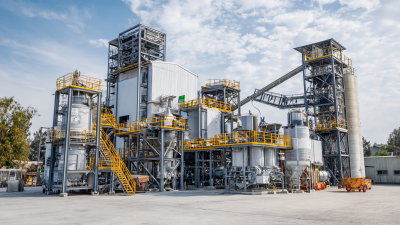
Feed machines play a crucial role in various industries, especially in agriculture and animal husbandry. These machines break down feed ingredients into smaller, manageable sizes. This process ensures consistent mixing and even distribution of nutrients. The uniformity in feed enhances the health and growth rates of livestock.

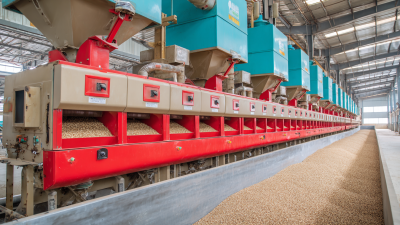
Understanding the working mechanism of feed machines is essential. They often incorporate multiple functions, including grinding, mixing, and pelletizing. Each function serves a specific purpose in optimizing feed quality. While the technology behind these machines is sophisticated, issues can arise, like clogging or inconsistent particle sizes. Regular maintenance is vital to minimize such challenges.

Choosing a feed machine comes down to evaluating specific needs. Consider the scale of production and the types of feed you’ll be handling. It’s essential to balance quantity and quality. Relying solely on machinery without proper oversight can lead to suboptimal results. Each operation has its complexities, and being mindful of these can lead to better outcomes in your sourcing strategy.

Feed Machine Usage by Industry in Global Sourcing

The Importance of Feed Machines in Global Sourcing

In the world of global sourcing, feed machines play a crucial role. They are essential for industries that rely on bulk materials. These machines ensure that raw materials flow smoothly in manufacturing processes. This efficiency can lead to reduced operational costs and improved product quality. With accurate feeding, manufacturers minimize waste and optimize their production lines.

Feed machines also enhance supply chain reliability. When sourcing components globally, consistency is vital. Feed machines can adapt to various materials and specifications. This adaptability helps businesses respond to changing market demands. However, not all feed systems perform equally. Businesses must assess their needs carefully. A poorly chosen feed machine may lead to downtime and increased costs, which can complicate sourcing strategies.

Furthermore, investing in technology is not without its challenges. Upgrades may require significant investment. Companies must weigh the benefits against the costs. Training staff to operate new systems also takes time and resources. Troubleshooting mechanical issues can shift focus away from core business activities. Therefore, organizations should continuously evaluate their practices and remain open to improvements.

Key Features to Look for in a Feed Machine

Selecting the right feed machine for global sourcing needs is crucial. Key features can significantly impact efficiency and product quality. A good feed machine should have adjustable settings. These settings enhance the precision of feed size, accommodating various materials. For instance, machines with variable speed controls perform better across different products. Research indicates that companies using adaptable feed machines reported a 25% increase in production efficiency.

Durability is another crucial factor. A robust build reduces maintenance costs and downtime. High-quality materials, like stainless steel, resist wear and corrosion. Data shows that machines built with these materials last up to 30% longer than those with lower-grade components. Moreover, ease of cleaning is vital. Frequent maintenance ensures that machines operate smoothly and reduces contamination risks.

User-friendly interfaces enhance operational efficiency. Machines should allow for easy adjustments and monitoring. Systems with clear displays enable quick troubleshooting. Reports indicate that operators who can swiftly diagnose issues reduce downtime by about 15%. However, not all machines come equipped with intuitive controls. Investing in a quality feed machine reflects a commitment to operational excellence and product quality.

Benefits of Using Feed Machines for Supply Chain Efficiency

In today's fast-paced global marketplace, feed machines stand out for enhancing supply chain efficiency. These machines streamline the process of sourcing materials. They ensure a steady and consistent supply flow, reducing delays and inefficiencies. Businesses can better manage inventory levels with accurate forecasting. The precise feeding capabilities help maintain product quality.


Efficiency is crucial. One tip to maximize the benefit of feed machines is to regularly calibrate them. This prevents discrepancies in material consistency. Also, training staff on machine operation can lead to fewer errors. An engaged team can oversee machine performance effectively.


Nonetheless, companies might face challenges. Implementing feed machines requires a significant investment upfront. Some businesses may struggle to adapt to the new technology. Continuous feedback from all users can help identify pain points and improve processes. A phased approach to implementation may ease the transition.

Comparing Different Types of Feed Machines

When considering feed machines for global sourcing, it's essential to understand the various types available. Extruders, for example, are great for producing high-protein feeds. They work by applying heat and pressure to raw ingredients. This process not only improves nutrient availability but also enhances digestibility for animals.

Another option is pellet mills, which compress feed into uniform pellets. This can lead to less waste and easier handling. However, they require regular maintenance, which can be a downside for some operations. It's crucial to weigh the benefits against potential challenges.

Lastly, some might explore mixer machines. These allow for thorough blending of different feed ingredients, ensuring consistency. But, achieving the right mix can be tricky and requires monitoring. Each machine type has its pros and cons, often depending on specific sourcing needs. Think deeply about the long-term implications of your choice.

Cost Considerations in Purchasing Feed Machines

Investing in a feed machine for global sourcing involves careful cost considerations. According to industry reports, the average cost of a reliable feed machine ranges from $5,000 to $50,000. This variance depends on the machine's capacity, features, and technology. Smaller operations might find budget-friendly options in the lower range. However, larger scale productions often justify higher expenditures due to efficiency gains.


When calculating costs, consider not just the purchase price, but also maintenance and operational expenses. The total cost of ownership can increase significantly with poorly optimized machines. Research indicates that efficient feed machines can reduce feed waste by up to 10%. This reduction can lead to substantial savings over time.


Tip: Always ask for detailed specifications before purchasing. It’s vital to assess the machine’s energy consumption and versatility. More advanced machines may have a higher initial cost, but they can offer improved performance and durability. Another thing to reflect on is whether to invest in new technology versus used machines. New machines ensure the latest efficiency standards, while used ones can be a cost-effective solution if they have been well-maintained. Upgrade decisions should be based not only on upfront costs but also on long-term benefits.

Future Trends in Feed Machine Technology and Global Sourcing

The landscape of feed machine technology is evolving rapidly. As businesses expand their sourcing globally, understanding this technology becomes vital. Automation and smart features are transforming how feed machines operate. These advancements lead to improved efficiency and better quality control. Companies can expect increased reliability in production processes.

Tips: Regularly assess the latest technology. Staying updated can enhance operational efficiency.

Delivering consistent results is key. However, testing new technologies can be challenging. Companies must balance innovation with stability. A misstep in sourcing could lead to production delays. Make informed decisions based on industry trends.

Tips: Engage with industry experts for insights. Their experience can help navigate the complexities of sourcing.

Looking ahead, sustainability is becoming integral in feed machine design. Companies are focusing on energy efficiency and waste reduction. These trends resonate with global sourcing demands. The shift towards eco-friendly practices benefits both businesses and the planet.

FAQS

: Why are feed machines important in global sourcing?

: Feed machines ensure bulk materials flow smoothly, improving efficiency and product quality.

How do feed machines impact operational costs?

By minimizing waste and optimizing production lines, feed machines can lead to reduced operational costs.

What role do feed machines play in supply chain reliability?

They provide consistency, adapting to different materials to meet evolving market demands.

What are the risks of poorly chosen feed machines?

Poor choices can cause downtime and increased costs, complicating sourcing strategies.

What challenges do companies face when upgrading feed machines?

They must consider investment costs, training staff, and potential mechanical issues.

How does technology affect the future of feed machines?

Automation and smart features are improving efficiency and quality control in production processes.

What is a key consideration when testing new technologies in feed machines?

Balancing innovation with stability is crucial to avoid production delays.

Why is sustainability important in feed machine design?

Focusing on energy efficiency and waste reduction aligns with global sourcing demands.

How can businesses remain competitive with feed machine technology?

Regularly assessing the latest advancements can enhance operational efficiency.

What should companies do to navigate sourcing complexities?

Engaging with industry experts can provide valuable insights based on experience.

Conclusion

In the context of global sourcing, Feed Machines play a crucial role in optimizing supply chain processes. These machines enhance efficiency by ensuring the accurate and timely delivery of materials, thus meeting the demands of diverse markets. Understanding the various functions of Feed Machines and their significance in sourcing operations is essential for businesses looking to streamline their production and distribution strategies.

When selecting a Feed Machine, key features such as automation capabilities, material compatibility, and scalability should be taken into account. The benefits of integrating Feed Machines into supply chains include improved operational efficiency and reduced costs. As technology advances, future trends in Feed Machine development are expected to focus on increased automation and smart integration, further enhancing their role in global sourcing strategies. Overall, investing in the right Feed Machine can significantly impact a company’s competitiveness in the global market.

Sophia

Sophia

Sophia is a seasoned marketing professional at CPSHZY, a company with over 25 years of expertise in manufacturing feed processing machinery and large-scale production of pellet mill dies. Her deep understanding of the industry enables her to effectively communicate the technical specifications and......
Previous What is a Feed Mill Pellet Machine and How Does it Work?
Inquire Basket ( 0)