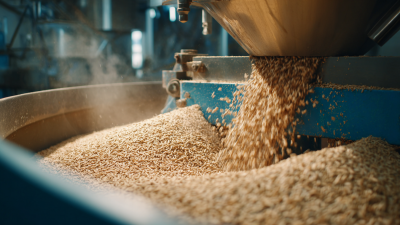
You know, Wood Pelleting is really becoming a big deal when it comes to moving toward sustainable energy. I read in the Global Biomass Pellets Market report that this industry could hit over $19 billion by 2027. That’s pretty impressive and totally shows how more folks are starting to see just how promising wood pelleting really is.
Basically, these pellets are a renewable energy option. They’re made from stuff like sawmill leftovers, wood chips, and even some agricultural waste. What’s pretty cool is that using wood pellets cuts down carbon emissions a lot compared to fossil fuels. In fact, according to the International Energy Agency, switching from coal to wood pellets can slash CO2 emissions by around 80%. That’s a huge difference.
That said, it’s not all smooth sailing. The process of making these pellets can use a lot of energy itself, so there’s definitely room for making things more efficient. Plus, there's some concern about making sure the raw materials are sourced sustainably. Improving how we handle the entire biofuel supply chain is really important if we want to avoid new problems. Going forward, investing in better technology and smarter practices is key for the industry to really reach its potential in helping us go green. It’s clear there’s a lot of opportunity, but also a few hurdles to clear along the way.

The Role of Wood Pellets in Renewable Energy Production
Wood pellets serve as a vital component in renewable energy production. They are made from compressed sawdust and other wood residues. This process helps utilize waste materials effectively. By converting these materials into pellets, we can reduce landfill waste. Moreover, using wood pellets reduces greenhouse gas emissions compared to traditional fossil fuels.
The burning of wood pellets releases less carbon dioxide. Trees absorb CO2 as they grow, creating a natural cycle. This cycle contributes positively to our environment. Wood pellets are also efficient in energy density. They provide significant energy output while being compact. This makes transportation and storage easier compared to other biomass fuels.
Here are some tips for using wood pellets efficiently. Ensure proper storage to keep them dry and free from pests. Regularly check your pellet stove for any blockages. This helps maintain optimal performance. Experiment with different brands to find the one that suits your needs best. Remember, not all pellets are created equal; quality matters.
How Wood Pelleting Contributes to Carbon Neutrality
Wood pelleting plays a crucial role in the quest for carbon neutrality. By converting biomass into pellets, we create a renewable energy source. These pellets are often made from sawdust and wood shavings, which are byproducts of the lumber industry. This process reduces waste and makes full use of the trees harvested.
When burned, wood pellets release carbon dioxide. However, this is part of a natural cycle. Trees absorb CO2 as they grow, balancing the emissions from burning. This cycle is vital for our energy needs. Still, challenges remain. Sustainable sourcing of wood is essential. Overharvesting can lead to deforestation. It is crucial to ensure that wood comes from responsibly managed forests.
Investing in wood pelleting technology can aid in achieving carbon neutrality. However, the efficiency of these processes must improve. The current methods are not perfect and can have inefficiencies. We need to focus on optimizing production and minimizing the carbon footprint. While progress has been made, ongoing reflection is necessary to enhance sustainable practices.
The Environmental Benefits of Using Wood Pellets for Energy
Wood pellets are becoming a focal point in sustainable energy discussions. They offer significant environmental benefits over traditional fossil fuels. Unlike coal or oil, wood pellets are made from renewable resources, usually sawdust and wood shavings. This process utilizes waste materials, reducing landfill contributions. When burned, they release carbon dioxide, but this is offset by the carbon absorbed during the trees' growth.
Using wood pellets helps in reducing greenhouse gas emissions. They produce less ash and fewer pollutants in comparison to coal. The combustion efficiency is higher, leading to better energy output with less fuel. However, the sourcing of wood must be managed properly. Unsustainable harvesting could negate the benefits. It's essential that we assess the origins of the wood and ensure it comes from responsibly managed forests.
Transitioning to wood pellet energy isn't without challenges. Infrastructure may need updating to accommodate new supply chains. Public education is necessary to promote acceptance. These steps are crucial to maximizing the potential of wood pellets as a sustainable energy source. While the use of wood pellets is promising, mindful practices must guide their deployment to ensure real environmental progress.
Comparing Wood Pellets to Traditional Fossil Fuels
Wood pellets have emerged as a sustainable alternative to traditional fossil fuels. In a recent industry report, it is estimated that wood pellets can reduce greenhouse gas emissions by up to 85% compared to coal. This transition could greatly impact global warming. Many power plants are exploring this option for cleaner energy production.
The production of wood pellets also creates job opportunities. According to the U.S. Energy Information Administration, the wood pellet industry supports thousands of jobs in rural areas. However, not all wood sources are sustainable. Some pellets come from clear-cut forests, which raises ecological concerns. It's essential to source pellets from certified sustainable forests to ensure long-term viability.
Moreover, while the efficiency of wood pellets is impressive, there are still challenges. Storage and transportation can lead to additional emissions. Some argue that reliance on any biomass could complicate the path to a fully sustainable future. Finding the right balance is crucial. Each choice must be carefully assessed for both environmental impact and practicality.
Technological Advances in Wood Pelleting Processes
Wood pelleting has become essential in developing sustainable energy solutions. Recent technological advances in wood pelleting processes significantly enhance efficiency and reduce waste. For instance, modern pellet mills now operate at over 90% efficiency, as stated in the International Energy Agency's 2022 report. This advancement allows for better utilization of biomass resources and supports a circular economy.
Tip: Consider localized sourcing of wood materials to reduce transportation emissions and costs.
Innovations like improved drying techniques and better feedstock pre-treatment have revolutionized the industry. They enable pellets to be produced faster and with lower energy consumption. According to the Biomass Energy Report 2023, the global wood pellet market is projected to reach 60 million tons by 2025. This trajectory highlights the growing reliance on this renewable energy source. However, there are concerns over sustainability and forest management practices that require careful consideration.
Tip: Regularly assess the sustainability of your wood sources to ensure ethical practices.
While wood pelleting presents a path to greener energy, challenges remain. Quality control issues can lead to inconsistent pellet performance. Additionally, monitoring the environmental impact of harvesting practices is crucial. There's still a long way to go in ensuring that the benefits of wood pelleting outweigh its drawbacks.
Why Wood Pelleting is Key for Sustainable Energy Solutions? - Technological Advances in Wood Pelleting Processes
| Aspect |
Description |
Benefits |
Technologies Involved |
| Raw Materials |
Sustainable biomass sources such as wood chips, sawdust, and agricultural residues. |
Reduces waste and promotes the use of renewable resources. |
Advanced shredding and sizing technologies. |
| Pelletizing Process |
Mechanical compression of biomass into pellets. |
Improved energy density and storage efficiency. |
High-efficiency pellet mills. |
| Energy Production |
Combustion of wood pellets for heat and electricity generation. |
Reduction of greenhouse gas emissions compared to fossil fuels. |
Combined heat and power (CHP) systems. |
| Market Trends |
Increasing demand for sustainable energy alternatives. |
Growth in the bioenergy market and energy independence. |
Innovative supply chain management and logistics technologies. |
| Environmental Impact |
Lower carbon footprint from renewable energy sources. |
Enhances ecosystem sustainability and biodiversity. |
Carbon capture and storage technologies. |
Economic Impacts of the Wood Pelleting Industry
The wood pelleting industry is gaining attention for its potential economic benefits. Local jobs are created as processing facilities emerge in rural areas. Communities can thrive when resources are sustainably used. Bioenergy projects often utilize local materials, leading to increased revenue for forest owners and operators.
However, challenges exist. The demand for pellets can lead to overharvesting if not managed properly. This raises concerns about long-term sustainability. Additionally, fluctuating market prices can impact investment decisions. Stakeholders must consider how to balance economic gain with environmental responsibility. Local economies could benefit immensely, but at what cost?
Investing in training for workers is crucial. Skilled labor is needed for efficient production. Education also helps ensure sustainable practices. The industry must reflect on its potential pitfalls. It is important to monitor its impact on forest ecosystems continually. Thoughtful management will pave the way for a truly sustainable energy future.
Challenges and Opportunities in Wood Pelleting for Sustainability
Wood pelleting represents a crucial avenue for sustainable energy.
However, the industry faces both challenges and opportunities. On one hand,
wood pellets are a renewable energy source that can replace fossil fuels.
Reports indicate that wood pellets can reduce greenhouse gas emissions by up to
80% compared to coal.
This shift could greatly enhance energy security and support carbon reduction goals.
Yet, the sector grapples with sustainability challenges. Sourcing raw materials is a significant concern.
Unsustainable logging practices can lead to deforestation, harming biodiversity.
The Global Forest Resources Assessment found that about
10 million hectares of forest are lost each year.
This loss raises ethical and environmental questions about wood pelleting.
Additionally, there is a need for better technologies in the pelleting process.
Current operations can be energy-intensive and inefficient. A recent study highlighted that improving energy efficiency in production
could cut costs by 30%.
Investing in innovative technologies may thus provide a dual benefit: enhancing sustainability while lowering emissions.
The path forward isn't without its hurdles, but the potential benefits warrant serious consideration.
FAQS
: The product aims to enhance user experience and provide practical solutions for everyday needs.
Follow the simple instructions included. Experiment to find what works best for you.
Yes, many users overlook important setup steps. Take time to read the guidelines thoroughly.
Check the troubleshooting section first. If issues persist, reach out for assistance.
Regular cleaning is essential. Use a damp cloth and mild detergent to avoid damage.
A warranty is offered to cover manufacturing defects. Review the terms for specifics.
It’s designed for versatility. However, extreme conditions may affect performance.
Users often report increased efficiency and satisfaction. Feedback varies, so personal experiences may differ.
Risks are minimal when following instructions. Ignoring guidelines could lead to issues.
Yes, comprehensive support is accessible. Engage with community forums for additional insights.
Conclusion
Wood Pelleting plays a crucial role in advancing sustainable energy solutions by transforming biomass into a renewable source of fuel. The process not only helps reduce reliance on traditional fossil fuels but also contributes to carbon neutrality by utilizing wood residues effectively, thus lowering greenhouse gas emissions. By comparing wood pellets with fossil fuels, the environmental advantages become evident, highlighting wood pellets' role in mitigating climate change.
Furthermore, technological advancements in wood pelleting processes enhance efficiency and reduce waste, while the economic impacts of the growing wood pelleting industry foster job creation and rural development. Despite facing challenges such as supply chain logistics and market competition, there are significant opportunities for innovation and growth in the sector, underscoring the importance of Wood Pelleting in the transition to sustainable energy systems.