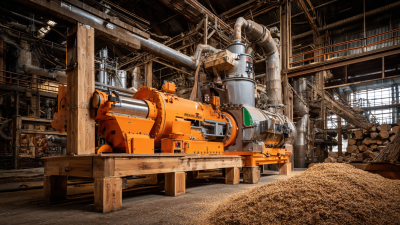
So, have you heard about wood pelleting? It’s actually pretty cool — a pretty innovative way to turn biomass into a compact little energy package. Basically, they crush wood fibers down into tight little pellets. And the best part? These pellets are super easy to handle, transport, and store, which makes them a really handy option for renewable energy. Companies like Enviva and Pinnacle Renewable Energy are actually doing a lot of the heavy lifting in this space.
Now, there are some pretty big perks with wood pelleting. It’s a greener alternative to fossil fuels, for starters. Plus, these pellets burn cleaner than traditional firewood, meaning fewer emissions. But, honestly, it’s not all sunshine and rainbows. The process of making these pellets can use up quite a bit of energy themselves, so some folks wonder if it’s really as eco-friendly as it seems. In other words, there’s always that question: do the benefits really outweigh the costs?
Even with those worries, more and more people — from businesses to everyday homeowners — are jumping on the bandwagon, hoping to cut down on their carbon footprint. And as tech keeps improving, we can probably expect these pellets to become even more efficient and sustainable. That said, it’s important for the industry to stay on top of its challenges and think carefully about the ethical side of things. All in all, it’s a promising, evolving field, and I think we’ll be hearing a lot more about it soon.

What is Wood Pelleting?
Wood pelleting is the process of converting wood materials into small, cylindrical pellets. These pellets are made from various types of biomass, including sawdust, wood shavings, and other wood residues. The process begins with drying the raw materials to reduce moisture content. This is crucial, as excessive moisture can hinder pellet formation and reduce energy efficiency.
Next, the dried wood is crushed into a fine powder. This powder is then heated and compressed through a pellet mill. The heat and pressure cause the lignin in the wood to bind the particles together. Pellets are typically around six to eight millimeters in diameter. They are uniform in size, making them easy to transport and store.
The popularity of wood pellets is rising. They are a renewable energy source and can replace fossil fuels for heating and power generation. However, this process isn't without its challenges. Maintaining quality control is essential. Not all raw materials produce consistent pellets. Plus, the energy used in the production process should be managed carefully. It's important to evaluate the environmental impact continuously.
History and Development of Wood Pelleting
The history of wood pelleting stretches back several decades. It began in the 1930s as a means to address waste from sawmills. At first, wood waste was simply discarded. Gradually, it became clear that this waste had potential. The idea of compressing wood into pellets for easier handling emerged.
In the 1970s, interest grew in alternative fuels due to the oil crisis. Wood pellets attracted attention as a renewable energy source. This period marked the development of the first commercial pellet mills. These mills used sawdust and shavings to create uniform pellets. Over time, advancements in technology improved the efficiency of production. However, some environmental concerns arose. The sustainability of sourcing wood for pellets needed scrutiny.
By the early 2000s, wood pelleting became more mainstream. Demand increased, especially in Europe and North America. Despite its growth, challenges remain. Not all wood sources are responsibly managed. There is a need for careful oversight in sourcing practices. This balance between innovation and responsibility is crucial for the future of wood pelleting. Reflecting on its impacts is essential as the industry evolves.
The Wood Pelleting Process Explained
The wood pelleting process is fascinating yet complex. It begins with the collection of raw materials, typically sawdust or wood shavings. These fibers undergo drying to reduce their moisture content to about 10-15%. Properly dried wood is essential for effective pelleting. According to a recent industry report, optimal moisture levels increase pellet quality and energy density by up to 20%.
Once dried, the wood fibers are fed into a hammer mill, which grinds them into smaller particles. This step helps ensure uniformity in size, improving the pelleting process. The ground material is then compacted using a pellet mill. At this stage, heat and pressure transform the wood into dense pellets. Surprisingly, the temperatures can reach up to 200 degrees Fahrenheit. However, maintaining consistent quality can be challenging. Even minor variations in particle size or moisture can lead to defects in the final product.
After pelleting, the pellets need cooling to enhance their durability. Cooling minimizes breakage, but it’s a delicate balance. If cooled too quickly, pellets may crack. Research suggests that maintaining a steady cooling rate can reduce breakage by 15%. The entire process involves precision and attention to detail, revealing how even small mistakes can lead to larger issues down the line.
Key Components of Wood Pelleting Equipment
Wood pelleting is a process of compressing biomass materials, primarily wood, into small pellets. The equipment used for this process consists of several key components that play a critical role in efficiency and quality.
One of the main components is the hammer mill. It reduces the size of raw materials into manageable particles. According to industry reports, the average size of wood chips should be around 1-3 inches before being processed. This size is crucial, as larger pieces can clog the machinery.
Next is the pellet mill itself. This machine compresses the milled material into dense pellets. The temperature and pressure applied during this process are vital. As noted by recent studies, optimal temperatures can range from 160 to 180 degrees Celsius.
Tips: Ensure your raw materials are clean and free from contaminants. Dirty materials can lead to poor-quality pellets. Regular maintenance of equipment can prevent downtimes and costly repairs.
Another essential part is the cooler. It reduces the pellet temperature after production. Cooling prevents moisture buildup, which could degrade pellet quality. Monitoring cooling times can improve overall pellet durability. Attention to detail during this phase can significantly impact product performance.
Efficiency and quality are closely linked in wood pelleting. Fine-tuning the components can lead to better outcomes. Sometimes, adjustments are necessary based on the material being processed. Testing different setups can provide insights for optimization.
What is Wood Pelleting and How Does it Work? - Key Components of Wood Pelleting Equipment
| Component |
Description |
Function |
| Hammer Mill |
Crushes raw materials into smaller particle sizes. |
Ensures uniform feedstock for efficient pelleting. |
| Mixer |
Mingles raw materials and additives thoroughly. |
Prepares a homogenous mixture for pelleting. |
| Pellet Mill |
Compresses and shapes the material into pellets. |
Transforms raw feedstock into dense pellets. |
| Cooling System |
Cools down freshly made pellets to prevent degradation. |
Maintains quality and extends shelf life of pellets. |
| Packaging Equipment |
Prepares pellets for storage or transportation. |
Facilitates easy handling and sales of finished product. |
Types of Biomass Used for Pelleting
Wood pelleting is a process that transforms various types of biomass into dense pellets. This transformation is essential for creating efficient fuels. Different types of biomass can be used for pelleting, each with its unique characteristics.
Agricultural residues, like straw and corn stover, are popular choices. They are abundant and often considered waste. However, knowing how to process them correctly is crucial. Some residues can contain high silica content, which might cause issues during pelleting.
Another option is wood fiber, derived from sawdust and wood shavings. These fibers are more homogenous and easier to pellet. But sourcing quality wood fiber can be challenging.
There are also dedicated energy crops, such as switchgrass and miscanthus. These plants are grown specifically for biomass energy. They can yield high quantities per acre, but cultivation requires careful planning. Many producers struggle with choosing the right crop due to soil and climate constraints.
Each biomass type presents both opportunities and challenges for the pelleting process. Understanding these factors is key to successful wood pelleting.
Benefits of Wood Pellets as an Energy Source
Wood pellets are increasingly favored as a renewable energy source. They are made from compressed sawdust, making them an efficient fuel. One significant benefit of wood pellets is their high energy density. This means they pack more energy into a smaller space compared to traditional wood logs. Therefore, fewer pellets are needed for heating.
Another advantage is their low moisture content. This characteristic allows them to burn cleaner than logs. When burned, wood pellets produce significantly less smoke, reducing air pollution. They also emit fewer greenhouse gases, making them a more environmentally friendly option.
However, it's essential to consider that wood pellet production can lead to deforestation if not managed properly. Sustainable sourcing should always be a priority. Consumers should be mindful of where the pellets come from. Overall, wood pellets can be a valuable energy source, but awareness is key.
Applications of Wood Pellets in Industry and Home Use
Wood pellets are becoming increasingly popular in both industrial applications and home use due to their eco-friendly characteristics and efficiency. In industry, they are used as a renewable energy source, especially in power generation. According to a report by the International Biomass Association, the global wood pellet market was valued at approximately $10.3 billion in 2020, with projections indicating continued growth. Industries favor wood pellets for their low emissions compared to fossil fuels, making them an attractive option for meeting sustainability targets.
For home use, wood pellets are ideal for heating. They are burned in specialized stoves and furnaces, providing an efficient heating solution. The U.S. Energy Information Administration has reported that residential wood pellet consumption is expected to rise, driven by rising energy costs and a push for renewable energy sources. Pellet stoves are known to have a higher efficiency than traditional wood-burning stoves. Yet, achieving efficient heating also requires proper installation and maintenance, which many homeowners sometimes overlook.
Despite their advantages, users need to be cautious. The quality of wood pellets can vary widely. Poor-quality pellets can produce excessive ash, negatively impacting stove performance. Regular inspections of both stoves and pellets ensure optimal functioning, but many users may neglect this step. Awareness of these aspects can lead to a better experience and enhanced efficiency in both industrial and home settings.
Conclusion
Wood Pelleting is the process of converting biomass, primarily from wood, into pellets that serve as a renewable energy source. This method has evolved over the years, with significant advancements in technology that have improved efficiency and output. The wood pelleting process involves grinding raw materials, drying them, and compressing them into dense, cylindrical pellets. Key components of the equipment used in this process include grinders, dryers, and pellet mills, each playing a crucial role in ensuring high-quality pellet production.
Wood pellets offer numerous benefits as an energy source, including lower emissions compared to fossil fuels and the potential for sustainable energy production. Their versatility allows for widespread applications, ranging from residential heating and cooking to large-scale industrial use. As a renewable resource, wood pelleting plays an essential role in promoting environmentally friendly energy solutions.