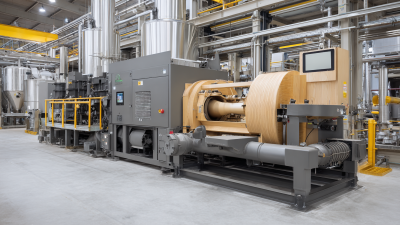
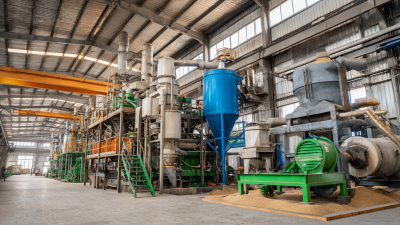
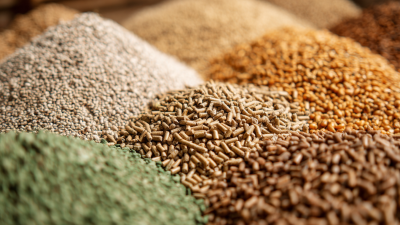
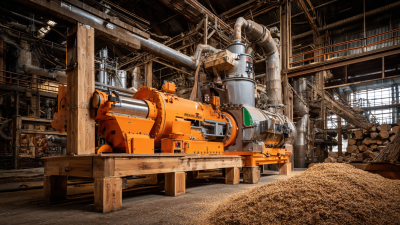
In the ever-evolving landscape of agricultural production, the importance of high-quality animal feed cannot be overstated. One of the key components in achieving this goal lies in the selection of an appropriate Pellet Machine For Feed. These machines play a crucial role in the process of transforming raw materials into nutritious pellets that are essential for the growth and health of livestock. With a myriad of options available in the market, understanding the various features, functionalities, and technologies associated with pellet machines becomes paramount for farmers and feed manufacturers alike.
Choosing the right Pellet Machine For Feed involves careful consideration of several factors, including production capacity, energy efficiency, and the specific nutritional requirements of the animals being fed. By diving deep into the intricacies of different machines and their impact on feed quality, producers can make informed decisions that ultimately affect their bottom line. This guide aims to equip you with the necessary knowledge and insights to navigate the complexities of selecting a pellet machine that best suits your operational needs, ensuring that your feed production is both efficient and effective in delivering optimal nutrition to your livestock.

Understanding Pellet Machines: An Overview of Feed Production
Pellet machines are vital in modern feed production, converting raw materials into
high-quality pellets for livestock and aquaculture.
Understanding how these machines operate is crucial for anyone looking to optimize their feed manufacturing process.
The fundamental mechanism involves grinding, mixing, and compressing ingredients,
which helps improve feed efficiency, nutritional value, and digestibility.
When selecting a pellet machine, consider the materials you intend to process. Different machines cater to various feed types,
such as poultry, swine, or aquatic feeds, so ensure the machine aligns with your production goals.
Tip: Always examine the
quality and consistency of the pellets produced. A good pellet machine should yield
pellets that are uniform in size, shape, and density, essential factors that directly impact animal feed efficiency.
Additionally, pay attention to the machine's operational capacity and energy consumption.
Selecting a pellet machine with the right balance between output and efficiency can lead to
long-term cost savings in your production line.
Tip: Evaluate maintenance requirements and ease of cleaning,
as machines that are easier to maintain will have a longer lifespan and lower operational costs.
Types of Pellet Machines: Which One is Right for Your Needs?
When selecting a pellet machine for feed production, it's crucial to consider the different types available to ensure that you choose one that meets your specific needs. The two primary categories of pellet machines are flat die and ring die machines.
Flat die pellet mills are generally favored by small-scale operators due to their ease of use and lower cost, making them ideal for home or small farm applications. According to recent industry reports, they can produce about 100 to 800 kg of pellets per hour, depending on the model and materials used.
In contrast, ring die pellet mills are designed for larger-scale feed production facilities and can output significantly higher amounts, typically ranging from 1 to 10 tons per hour. This type of machine is engineered for high efficiency and durability, providing consistent pellet quality over time. A report from the Feed Production Association indicates that ring die machines account for approximately 70% of the pellet mill market due to their productivity and ability to handle a wider range of feed materials.
Ultimately, the choice between these machines will depend on your production capacity, budget, and the specific feed types you plan to produce.
Key Features to Consider When Choosing a Pellet Machine
When selecting a pellet machine for feed production, several key features must be considered to ensure optimal efficiency and product quality. One of the most critical features is the ring die design, which significantly impacts the compression and shaping of the feed pellets. According to a study from the International Journal of Agronomy, machines with higher-quality ring dies can improve pellet durability by up to 20%, leading to better feed conversion rates in livestock. This is essential, as high-quality feed directly correlates with animal growth performance and overall health.
Another important consideration is the motor power of the pellet machine, which affects the throughput capacity. Data from the Animal Feed Manufacturing Technology report indicates that machines with a motor power of 30 kW or higher can produce up to 1.5 tons of feed pellets per hour. This increased efficiency can help producers meet demand without sacrificing quality. Additionally, the ease of maintenance is a significant factor; machines that are designed with accessible components can greatly reduce downtime and operational costs, contributing to a more sustainable production process. Overall, understanding these essential aspects will guide producers towards making informed decisions when investing in pellet machines.
Key Features to Consider When Choosing a Pellet Machine
Evaluating the Production Capacity of Pellet Machines
When selecting a pellet machine for feed production, evaluating the production capacity is a critical factor that can significantly impact your operations. The production capacity of a pellet machine refers to the amount of feed pellets it can produce within a specified time frame, typically measured in kilograms per hour. It is essential to align this capacity with your business needs, considering factors such as the scale of your operations, the demand for feed, and the types of animals being fed.
To accurately assess the production capacity, several elements must be taken into account. First, the power output of the machine plays a crucial role; higher horsepower generally translates to greater production efficiency. Additionally, the design of the die and roller system affects the compression of the feed ingredients, influencing the rate at which pellets can be formed. It’s also important to consider the material being processed, as raw materials with varying moisture content and density can alter production speeds.
By thoroughly evaluating these aspects, businesses can ensure they choose a pellet machine that meets their specific production requirements and helps optimize their feed manufacturing process.
Assessing Cost-Effectiveness in Pellet Machine Selection
When selecting a pellet machine for feed production, one crucial factor to consider is cost-effectiveness. According to a report by the Feed Research Institute, operational costs can account for up to 60% of the total expenses in feed manufacturing. Therefore, choosing a pellet machine that balances initial investment with long-term operational efficiency is essential for maximizing profit margins. It is important to conduct a thorough analysis of the energy consumption, wear and tear rates, and maintenance requirements of different machines, as these factors directly impact overall costs and productivity.
Moreover, a study from the International Pellet Machine Association indicates that advanced machines with higher efficiency can significantly reduce the feed production cost per ton. For instance, machines equipped with optimized die designs can save up to 20% on energy costs compared to older models. Additionally, investing in technology like variable speed drives can further enhance efficiency by allowing operators to adjust the machine settings based on production needs. By prioritizing these attributes during the selection process, manufacturers can ensure that their investment yields the best possible return, establishing a robust foundation for sustainable feed production.
Maintenance and Longevity: Ensuring Your Pellet Machine Lasts
To ensure the longevity of your pellet machine, regular maintenance is paramount. A well-maintained machine not only operates efficiently but also significantly extends its lifespan. Begin with a routine inspection of the equipment; check for any signs of wear or damage, particularly in the die and roller. These components endure the most stress during operation, so replacing them as needed can prevent larger issues down the line. Additionally, keeping the machine clean from dust and debris will reduce the risk of operational glitches and ensure a smooth production process.
Tips for maintenance include lubricating moving parts regularly to minimize friction and wear, as well as conducting periodic checks on electrical components to prevent unforeseen breakdowns. Always follow the manufacturer’s guidelines for maintenance schedules and procedures, as these are tailored for optimal performance. Another useful tip is to keep a log of inspections and repairs, which helps track the machine's condition over time and ensures that you address potential problems before they escalate.
Finally, invest in high-quality spare parts when replacements are necessary. While it may be tempting to opt for cheaper alternatives, inferior components can lead to more frequent repairs and compromise the machine's performance. By prioritizing quality and maintenance, you'll not only enhance the efficiency of your feed production but also ensure your pellet machine continues to serve you well for years to come.
Safety Considerations in Operating Pellet Machines for Feed Production
When operating pellet machines for feed production, safety should always be a top priority. These machines can pose various hazards, including mechanical risks, heat exposure, and electrical dangers. To minimize these risks, operators should be thoroughly trained in the proper use and maintenance of the equipment. This includes understanding the machine’s functions, recognizing emergency shut-off procedures, and being aware of the potential dangers associated with mishandling or improper operation.
Regular inspections and maintenance of the pellet machines are also crucial for ensuring a safe working environment. Operators should check for any signs of wear and tear, such as frayed belts or loose components, which could lead to malfunctions. Additionally, proper personal protective equipment (PPE), such as gloves, earplugs, and safety glasses, should be used to protect against noise and particulate exposure during the feed production process. By adhering to these safety considerations, operators can protect themselves and create a more efficient and secure workspace while producing high-quality feed.
Ultimate Guide to Choosing the Best Pellet Machine For Feed Production - Safety Considerations in Operating Pellet Machines for Feed Production
| Feature |
Importance |
Safety Considerations |
| Pellet Quality |
High-quality pellets ensure better feed efficiency. |
Ensure proper calibration of die and roller to avoid malfunctions. |
| Energy Efficiency |
Reduces operating costs and environmental impact. |
Check for electrical safety compliance; avoid overloading. |
| Ease of Maintenance |
Facilitates better long-term operation. |
Follow manufacturer’s maintenance schedule to prevent accidents. |
| Size and Capacity |
Matches production needs. |
Ensure size fits operation area; prevent crowding of machines. |
| Safety Features |
Provides protection to operators. |
Look for emergency stops, guards, and warning signs. |
| User Training |
Ensures safe operation and reduces errors. |
Provide comprehensive training on machine operations and safety protocols. |
FAQS
: Pellet machines are essential for converting raw materials into high-quality pellets, improving feed efficiency, nutritional value, and digestibility for livestock and aquaculture.
When choosing a pellet machine, consider the type of materials to process, the quality and consistency of the pellets produced, the machine's operational capacity, and energy consumption.
The quality of pellets, including their size, shape, and density, directly affects animal feed efficiency, making uniformity essential for optimal results.
The ring die design significantly impacts the compression and shaping of the feed pellets, with higher-quality ring dies improving pellet durability by up to 20%, enhancing feed conversion rates.
A pellet machine with a motor power of 30 kW or higher can produce up to 1.5 tons of feed pellets per hour, which helps meet production demands efficiently.
Regular inspections for wear and tear, ease of access to components for cleaning, and proper maintenance procedures are crucial for reducing downtime and operational costs.
Operators should receive thorough training, conduct regular inspections, and use appropriate personal protective equipment (PPE) to minimize mechanical, heat, and electrical hazards.
By adhering to proper training, performing regular maintenance checks, and using protective gear, operators can create a safer workspace and mitigate risks associated with pellet machine operation.
High-quality feed made from good pellet machines directly correlates with better animal growth performance and overall health, emphasizing the importance of pellet quality.
Conclusion
Choosing the right pellet machine for feed production is essential for optimizing efficiency and output quality. The article outlines the fundamental concepts of pellet machines, detailing various types available and their suitability for different production needs. Key features such as durability, energy efficiency, and ease of use are crucial aspects to consider when selecting a pellet machine for feed.
Additionally, evaluating production capacity and assessing the cost-effectiveness of the machines play a significant role in making an informed decision. To ensure the longevity of your pellet machine for feed, regular maintenance is vital, along with adhering to safety protocols during operation. By understanding these factors, you can effectively select a pellet machine that meets your specific feed production requirements.