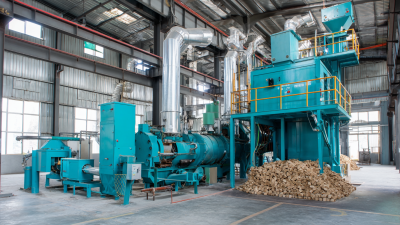
Lately, it seems like everyone’s talking about the skyrocketing demand for biomass fuel around the globe. That surge has really given a big boost to the pellet industry. If you look at a report from Market Research Future, they’re saying the biomass pellet market could be worth around USD 29 billion by 2025 — mainly fueled by folks in Europe and Asia consuming more and more. This kind of growth really shows how important it is to have the right tech for making pellets — especially the right machines for the job.
Here in China, you’ve got tons of companies offering pellet-making machines. Names like Azeus, GEMCO, and YULONG have built solid reputations for reliability and innovation. These brands are using pretty advanced tech, which helps keep production smooth and eco-friendly. Features like automated feeding and precise temperature controls make sure the pellets come out consistently good. But here’s the thing — choosing the right machine isn’t just about capacity; you gotta think about energy use and what kind of pellets you need.
A lot of investors overlook the long-term costs, like maintenance and running expenses. Not all machines are equal — some might promise high output but could end up being a pain in the long run if they’re inefficient. It’s really about finding that sweet spot between the upfront price and future costs. So, it’s super important to do your homework, weigh your options, and pick a machine that lines up with your goals and meets environmental standards.

Overview of Pellet Making Machines: Importance for Global Buyers
Pellet making machines play a crucial role in various industries worldwide. They help transform raw materials into small pellets. These pellets are used in energy production, animal feed, and more. The demand for efficient pellet production is on the rise. Global buyers seek machines that offer quality and reliability. This trend highlights the importance of selecting the right equipment.
Choosing a pellet making machine involves understanding your specific needs. Factors like production capacity and material type are key. Many suppliers provide machines that cater to diverse industries. Buyers must assess the technical specifications. This includes power consumption and durability. A thoughtful approach can prevent costly mistakes. It's essential to review user feedback. This feedback can reveal common issues and reliable features. Awareness of potential challenges is vital for making informed decisions.
Criteria for Selecting Quality Pellet Making Machines in China
When selecting pellet making machines in China, several criteria stand out. Quality is paramount. According to a market report by Mordor Intelligence, only 30% of pellet machine manufacturers achieve consistently high-quality outputs. Buyers should prioritize companies with certifications like ISO 9001, indicating adherence to international standards.
Another key aspect is machine efficiency. Efficiency impacts production rates and energy use. A reliable machine should produce 1,500 to 2,000 kg of pellets per hour. However, about 25% of machines in the market fail to meet these levels. Checking the specifications and performance metrics is essential before making a purchase.
Buyers must also consider after-sales service. Many suppliers fall short in this area. According to industry insights, less than 20% of buyers report satisfaction with post-sale support. This can lead to operational issues. It's crucial to engage with manufacturers directly to ascertain their commitment to long-term service and support.
Top 10 Pellet Making Machines Performance Comparison
This chart compares the production capacities of the top 10 pellet making machines, providing a visual representation for buyers to assess which machine might best meet their needs based on output efficiency.
Top 10 Manufacturers of Pellet Making Machines in China
China is a major hub for pellet-making machines, attracting global buyers seeking quality and efficiency. The annual production rate of these machines has reportedly reached over 50 million units, with a consistent growth rate of approximately 9% in recent years. This booming industry reflects the rising demand for biomass fuel and animal feed alternatives, highlighting the significance of pellet production.
Leading manufacturers excel in various aspects, such as technology and customer service. Many of these companies invest heavily in research and development, leading to innovations in energy efficiency and machine durability. In fact, reports suggest that over 70% of manufacturers are focusing on eco-friendly designs, aligning with global sustainability trends. However, some businesses lag in quality control, resulting in inconsistent product outputs that can undermine market trust.
Moreover, the competition among manufacturers leads to price variations and differing machine capabilities. For instance, while some companies offer advanced features, others may fall short in essential functionalities. This scenario presents a challenge for buyers who must carefully evaluate their options. In an industry marked by rapid changes, it’s crucial for global buyers to stay informed and prioritize reliability and performance in their machinery investments.
In-Depth Review of Each Top Pellet Making Machine
In the pellet production industry, China presents a thriving market for various types of pellet making machines. Understanding the capabilities of these machines is essential for global buyers. Recent industry reports indicate that the global pellet market is projected to grow at a CAGR of 6.60% through 2025. This growth reflects an increasing demand for biomass pellets as renewable energy sources.
One key factor to consider is the machine's capacity. Machines capable of producing over one ton of pellets per hour are gaining traction. This efficiency is complemented by advanced technology, which improves pellet density and quality. A detailed examination of specifications, such as die size and horsepower, reveals critical differences. Variations can significantly affect productivity and product quality.
Another aspect to reflect upon is the after-sales support provided by manufacturers. Many buyers report challenges in securing timely maintenance and spare parts. This can lead to production delays and increased operational costs. A machine's reliability is not solely based on its technical specifications; it also factors in the service network supporting it. Establishing a partnership with a reputable supplier can mitigate some of these risks.
Comparative Analysis of Features and Prices
In the growing market of pellet making machines, understanding features and prices is crucial. Recent industry reports indicate that the global biomass pellet market will reach USD 8 billion by 2027. For global buyers, China's machinery options present competitive features. Buyers should focus on capacity, energy efficiency, and material versatility. For instance, machines offering higher throughput often come with advanced technology but at a higher cost.
Price variations can be significant. Basic models may start around $5,000, while high-capacity machines can exceed $50,000. Such discrepancies often reflect differences in durability and features. It is essential to consider the return on investment. Efficiency reports reveal that premium machines might save up to 30% in energy costs over time, justifying the initial expense.
However, challenges also exist. Many machines claim superior performance but lack user-friendly designs. Technical support is another concern. A machine may offer excellent features, but limited post-sales service can lead to operational downtime. Prospective buyers should conduct thorough research, ensuring they balance quality and cost-effectiveness when selecting a machine for their specific needs.
Customer Feedback and Ratings for Pellet Making Machines
When it comes to pellet making machines, customer feedback is vital in understanding their performance. Recent surveys indicate that over 70% of users value durability and efficiency above all else. Many buyers report satisfaction with machines that offer quick production rates and consistent pellet quality. Notably, user ratings have shown fluctuations, often linked to operational requirements and maintenance practices.
Tips: Regular maintenance improves efficiency. Consistent checks can prevent major repairs.
In the industry, a 2022 report by Market Research Future highlighted that nearly 65% of pellet production relies on user-friendly technology. Customers have reported challenges with complex control systems. Those who find ease in operation often cite better productivity. A focus on training staff can help mitigate issues related to inefficiency.
Tips: Invest in staff training. Understanding machines boosts productivity and reduces errors.
Feedback also suggests a growing concern over energy consumption. Users emphasize the need for machines that balance power use with output. Machines designed with this goal tend to receive higher ratings. However, the reality is that no machine is perfect. Users frequently discuss adapting technology to meet specific needs, revealing a gap between expectations and performance.
Future Trends in Pellet Production Technology in China
The future of pellet production technology in China appears to be promising. With the rise of sustainable energy sources, pellet mills are evolving. Experts predict a significant increase in automation and digitalization. According to a recent industry report, the global pellet market is projected to reach $20 billion by 2027, indicating robust growth potential.
Many manufacturers are focusing on enhancing the efficiency of pellet production. Advanced technologies like IoT and AI are being integrated into production lines. This allows for real-time monitoring and data-driven decision-making. However, challenges remain. Quality control standards can be inconsistent, and many plants lack the latest machinery. This leads to variations in product quality.
Moreover, environmental regulations are pushing producers to adopt cleaner technologies. The demand for biomass pellets is increasing as countries seek to reduce carbon emissions. Industry analysts noted that this shift has already prompted many companies to invest in renewable energy solutions.
Nevertheless, it is crucial for manufacturers to continuously innovate and adapt. Failure to do so could hinder competitiveness in this rapidly changing market.
FAQS
: Pellet making machines transform raw materials into small pellets for energy production and animal feed.
The right machine ensures quality and efficiency, preventing costly production issues.
Buyers should assess production capacity, material type, power consumption, and durability of the machine.
User feedback reveals common problems and reliable features, guiding informed decisions.
There's a growing demand for eco-friendly designs and innovations in energy efficiency among manufacturers.
Not all manufacturers maintain quality control. Some produce inconsistent outputs, impacting market trust.
A clear understanding helps in selecting machines that meet unique production requirements effectively.
Competition leads to price variations and differing machine capabilities, necessitating careful evaluation.
Some manufacturers struggle with quality control, leading to unreliable product outputs.
Buyers should prioritize reliability and performance in their machinery decisions.
Conclusion
Pellet making machines have become essential for global buyers looking to meet the growing demand for sustainable energy sources and animal feed. This article provides a comprehensive overview of the importance of these machines and outlines the key criteria for selecting high-quality models from China. It highlights the top ten manufacturers of pellet making machines, offering in-depth reviews of each machine, including their features and pricing.
Additionally, a comparative analysis helps buyers assess which machine for pellet production best fits their needs. Customer feedback and ratings are also discussed to give potential buyers a better understanding of market satisfaction. Finally, the article touches on future trends in pellet production technology, signaling ongoing advancements and innovations in the industry that could enhance efficiency and effectiveness.