0%

You know, in the livestock and aquaculture worlds, there's a pretty clear buzz—everyone’s looking for top-notch feed. I read somewhere that, according to Allied Market Research, the global animal feed market is expected to hit around $640 billion by 2025. That’s huge! And honestly, most of this growth comes from the push for more efficient, nutritious feed options. A key player in making this happen is the Pellet Machine For Feed. Picking the right one can really make a difference—both in the quality of the feed and how smoothly things run.

When you're shopping around for a pellet machine, things like capacity, how much energy it consumes, and whether it’s easy to operate are super important. Brands like Andritz and Buhler have built a solid reputation for making reliable, high-quality pellet machines. But here’s the thing—not every machine ticks all the boxes for every operation. It’s really about taking a close look at what your specific needs are to make sure you’re making a smart investment.

Now, let’s be honest—lots of machines out there promise efficiency and great performance, but not all of them come through. It pays to reflect on your past experiences with different equipment. This industry is constantly evolving, and staying up-to-date with new tech and market trends is pretty much a must. Ultimately, choosing the right pellet machine is a key step in boosting feed production, which means healthier, more productive livestock in the end.

Top 10 Pellet Machines for Feed What to Consider When Buying

Understanding Pellet Machines: Definition and Functionality

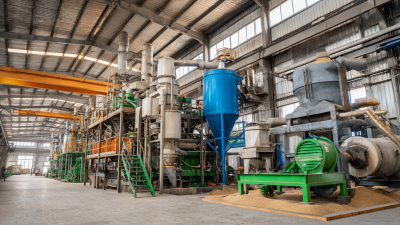
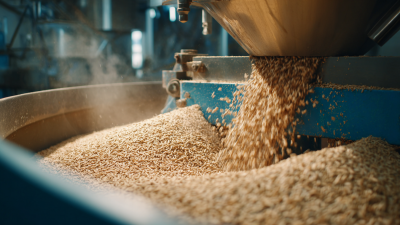
Pellet machines are essential tools in the feed production industry. They convert raw materials into pellets, providing a nutritious and easy-to-manage feed option. Understanding how these machines work is crucial for anyone involved in feed processing. The key lies in the design and operation of the pellet mill. It applies heat and pressure to transform diverse ingredients into compact pellets.

Different types of pellet machines operate using varied principles. Some utilize a die and rollers to compress feed ingredients. Others might use steam to enhance moisture content, improving pellet quality. Operators often need to adjust settings based on the feed type. Different materials require different temperatures and pressures for optimal pelletization.

When considering a pellet machine, it’s important to reflect on production capacity and efficiency. High-speed machines can generate several tons per hour. However, efficiency may vary based on design. Not all machines perform equally under different conditions. Attention to detail in selecting the right machine can lead to better quality pellets and, ultimately, better feed. Recognizing these nuances is key to successful feed production.

Key Features of Pellet Machines for Quality Feed Production

When choosing a pellet machine for feed production, it's essential to focus on key features that ensure quality and efficiency. The die and roller design should be a priority. A well-engineered die can significantly affect the final product's durability and nutritional value. Consider how easy it is to change the die, as this impacts production flexibility.

Another critical aspect is the power consumption of the machine. Energy-efficient models can lower operating costs and reduce environmental impact. A machine that consumes less energy while maintaining performance can create a more sustainable operation. Additionally, the machine's capacity and speed are essential. An ideal pellet machine should not only meet current production needs but also allow for future scale-up.

Another area to reflect on is maintenance. Regular upkeep can prolong a machine's lifespan, but the initial construction quality dictates how often this is needed. Machines made from durable materials may be more reliable but can often be pricier. It's crucial to find a balance between cost and longevity. Choosing the right pellet machine requires thorough consideration of these factors for optimal feed production.

Evaluating Pellet Machine Capacity: Output and Efficiency Metrics

When considering pellet machine capacity, output and efficiency metrics are vital. These metrics determine how effectively the machine can transform raw materials into feed pellets. The production rate, measured in kilograms per hour, varies significantly between machines. It's essential to find a balance between the desired output and the machine's efficiency.

Efficiency is often described through the energy consumption of the machine. A machine that uses less energy while producing more pellets is preferable. However, sometimes higher output means higher energy use. This trade-off must be evaluated carefully. Look for machines that provide a clear indication of energy efficiency.

Tips: Always read reviews and user experiences. Seek out discussions on forums related to pellet production. They can give insights into real-world applications.

When assessing capacity, consider the size and type of your operation. A larger machine may seem appealing, but it must fit your production needs. Sometimes smaller models yield better long-term efficiency. Furthermore, keep in mind that maintenance affects performance. Machines requiring frequent repairs may disrupt production, undermining efficiency.

Tips: Make a maintenance checklist. Stick to it to avoid unexpected downtimes. Regular check-ups can help ensure continuous output.

Material Considerations: Choosing the Right Raw Materials for Pellets

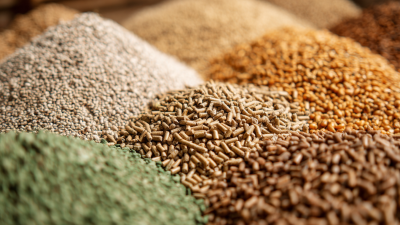
Choosing the right raw materials is crucial for pellet production. Different types of feed pellets require specific ingredients to ensure optimal nutrition and digestibility. It's essential to evaluate the protein, fat, and fiber content of your raw materials. High-quality ingredients lead to better pellet formation.

Consider the source of your raw materials. Local suppliers may offer fresher options, but they might not have the variety you need. Investigate the nutritional composition of different materials. For example, grains, legumes, and oilseeds can vary significantly in nutrient profiles.

Be mindful of moisture content as well. Excessive moisture can negatively impact pellet quality. Over time, it may lead to spoilage or mold growth. Reflect on your processes and make adjustments as necessary. Regularly testing your raw materials can help maintain consistency in pellet quality and ensure reliable feed for your livestock.

Top 10 Pellet Machines for Feed - Material Considerations

Cost Analysis: Budgeting for Pellet Machine Purchase and Maintenance

When investing in a pellet machine, understanding the cost implications is crucial. The initial purchase price can vary widely, ranging from a few thousand to several tens of thousands of dollars. Industry reports suggest an average cost of around $20,000 for mid-range machines. However, it's important to remember that this figure may not include additional expenses such as installation and setup.

Maintenance costs should also be a significant factor in your budgeting. Regular upkeep ensures optimum performance and longevity. Some reports indicate routine maintenance costs may reach around 10% of the purchase price annually. Unexpected repairs can further strain your budget, so setting aside a contingency fund is necessary.

Additionally, operational costs should not be overlooked. Energy consumption can account for a substantial portion of your expenses. For example, energy use often represents about 20-30% of total operational costs. Allocating resources wisely requires a thorough analysis of both direct and indirect costs. Balancing initial investments and long-term operation is essential for sustainable business growth.

Top 10 Pellet Machines for Feed

Model Production Capacity (kg/hour) Power (kW) Price ($) Maintenance Cost (Annual) ($) Warranty Period (Years)
Model A 500 22 12000 800 2
Model B 1000 37 22000 1000 2
Model C 750 30 16000 900 3
Model D 600 18 9500 600 1
Model E 900 25 14000 750 2

Durability and Warranty: Assessing Longevity and Manufacturer Support

When considering a pellet machine for feed production, durability and warranty are crucial factors. A machine built with high-quality materials can significantly impact its longevity. For example, using stainless steel components may prevent rust and extend the life of the machine. According to industry reports, machines made from robust materials can last up to 15% longer than their standard counterparts.

In addition to materials, manufacturer support plays a vital role. A good warranty typically covers parts and labor for a considerable period. Reports suggest that warranties lasting three years or more are preferable. This is especially true for machinery exposed to rigorous operations. The assurance of reliable support can prevent costly downtimes. Choosing a machine with a solid warranty is a sign of the manufacturer’s confidence in their product, which can be a point of reflection for buyers.

While considering these aspects, potential buyers should also think about maintenance. Regular upkeep is necessary to maximize the lifespan of pellet machines. Neglecting maintenance can lead to unexpected failures, which may not be covered by warranty. This reflects the need for a proactive approach in understanding both durability and the extent of manufacturer support when investing in a pellet machine.

User Reviews and Industry Standards: Impact on Buying Decisions

Top 10 Pellet Machines for Feed What to Consider When Buying

When choosing a pellet machine for feed, user reviews and industry standards play a crucial role. According to a recent survey, around 70% of buyers rely on peer experiences to shape their decisions. Reviews often highlight machine durability, efficiency, and ease of use. Pictures shared by users can further influence potential buyers, as visuals create a more tangible understanding of a product’s performance.

Industry standards set the benchmark for quality and safety in manufacturing pellet machines. Machines that meet these standards often exhibit better longevity and lower maintenance costs. A report by the Feed Machinery Research Institute indicates that well-rated machines often have a lifespan increased by up to 30% compared to those that lack certification. However, some reviews may express dissatisfaction due to issues like noise levels and energy consumption.

Tip: Seek out machines praised for their energy efficiency. This can lead to lower operational costs over time. Another tip is to check the warranty offered, as a strong warranty suggests manufacturer confidence in their product. Not all user experiences will be perfect, and it’s essential to consider both positive and negative feedback when making a choice.

FAQS

: What metrics are important when evaluating pellet machine capacity?

: Output and efficiency metrics are crucial. They determine how effectively raw materials turn into pellets.

How is production rate measured?

It is measured in kilograms per hour. Rates vary significantly between different machines.

Why is energy efficiency important in pellet machines?

Machines that use less energy while producing more pellets are preferable. This balance impacts overall efficiency.

What should I consider regarding machine size?

Ensure the machine size fits your production needs. Sometimes smaller models offer better long-term efficiency.

How does maintenance affect pellet machines?

Frequent repairs can disrupt production, undermining efficiency. Regular maintenance is essential for continuous output.

What materials contribute to the durability of pellet machines?

High-quality materials, like stainless steel, reduce rust and extend machine life significantly.

How long should a warranty last for a pellet machine?

Prefer warranties lasting three years or more. Longer warranties indicate manufacturer confidence in the product.

What happens if maintenance is neglected?

Neglect can lead to unexpected failures, possibly voiding warranty coverage. Regular upkeep is necessary for longevity.

Where can I find user experiences and reviews on pellet machines?

Look for discussions on forums related to pellet production. They provide valuable real-world insights.

Why is manufacturer support important?

Good manufacturer support can prevent costly downtimes. Reliable assistance can significantly affect machine performance.

Conclusion

When considering the purchase of a Pellet Machine for Feed, it's essential to first understand the definition and functionality of these machines. They play a crucial role in converting raw materials into feed pellets, which are vital for livestock and aquaculture. Key features to look for include the machine's capacity, output, and efficiency metrics, as these aspects directly influence production effectiveness.

Material selection is another critical factor; the right raw materials ensure high-quality pellets, which can positively impact animal health and growth. Additionally, a thorough cost analysis is necessary to budget for both the initial purchase and ongoing maintenance. Durability and warranty options from manufacturers also contribute significantly to the longevity of the Pellet Machine for Feed. Lastly, user reviews and adherence to industry standards can guide buyers in making informed decisions, ensuring they select a machine that meets their specific feed production needs.

Sophia

Sophia

Sophia is a seasoned marketing professional at CPSHZY, a company with over 25 years of expertise in manufacturing feed processing machinery and large-scale production of pellet mill dies. Her deep understanding of the industry enables her to effectively communicate the technical specifications and......
Previous What is Die and Mold in Manufacturing and Its Benefits?
Inquire Basket ( 0)