0%

You know, Biomass Pelleting is quickly becoming a pretty exciting option when it comes to sustainable energy. I mean, with all the talk about climate change and how urgent it is to find greener solutions, using organic stuff like wood chips and crop leftovers for energy really seems promising. Experts in the field aren’t shy about saying how much potential this has. Take Dr. Emily Johnson from GreenEnergy Solutions, for example—she’s pretty optimistic and once said, "Biomass Pelleting is a crucial step toward a sustainable future."

So, what exactly is Biomass Pelleting? Well, it’s basically about taking materials like wood or agricultural leftovers and compressing them into small pellets. These little guys can then be used to heat homes or generate power. Sounds simple enough, right? But, honestly, getting started isn’t always a walk in the park. The success really depends on the quality of the raw materials and how efficient your pelletizing process is. You need to plan carefully and know your feedstock inside out.

A lot of folks trying to jump into this industry face tricky questions about technical stuff and market trends. It’s not always smooth sailing; there are often miscalculations when it comes to costs or how much energy you can get out of it. That’s why it’s super important to stay flexible and rework your plans as you learn. Sure, the journey into Biomass Pelleting can come with challenges—trust me, it’s not all perfect—but the opportunities for growth and making a real impact in renewable energy are huge. It’s definitely worth the effort if you're into creating a more sustainable future.

How to Start Biomass Pelleting for Sustainable Energy Production?

Overview of Biomass Pelleting and Its Importance in Energy Production

Biomass pelleting is gaining attention for its role in sustainable energy production. This process transforms organic materials into dense, uniform pellets. These pellets are easier to transport and store, making them a valuable energy resource. According to the International Renewable Energy Agency, biomass could provide up to 30% of the world’s energy supply by 2030. This demonstrates its growing importance.

The shift towards biomass energy reflects a broader change in energy strategies. Many countries are aiming to reduce carbon emissions. In 2022, biomass accounted for about 5% of total global energy consumption. While this number may seem small, it indicates potential. The advantages of biomass include using waste materials that would otherwise contribute to landfills. However, challenges persist. Sourcing raw materials sustainably is essential. Overharvesting can lead to negative environmental impacts.

As technology advances, improving pelleting efficiency is crucial. Current methods are not always economically viable. A report from the Food and Agriculture Organization highlights the need for investment in better machinery and research. Small-scale projects often struggle with high production costs. Yet, they provide local solutions to energy needs, which is optimistic. Finding the balance between scalability and sustainability remains a vital area for improvement.

Understanding the Biomass Feedstocks Suitable for Pelleting

Understanding the right biomass feedstocks is key to successful pelleting. Various materials can serve as feedstocks, including agricultural residues, wood chips, and dedicated energy crops. Each type of biomass has unique properties affecting the pelleting process. For instance, agricultural residues often need preprocessing because of their high moisture content.

Wood chips are frequently used for their fibrous nature. However, not all wood types yield the same quality of pellets. Softwoods tend to produce a finer pellet than hardwoods. It’s essential to choose the right mix to achieve ideal density. A diverse feedstock can improve the energy yield but may complicate the pelleting process.

Contamination is another concern with biomass. Impurities can lead to lower-quality pellets. Therefore, a thorough sorting process is crucial before pelleting. You might find that some feedstocks are more challenging to handle. Experimenting with different combinations can lead to better results. Finding the perfect feedstock balance involves trial and error, but it’s a vital step in creating sustainable energy solutions.

Essential Equipment and Machinery for Biomass Pelleting

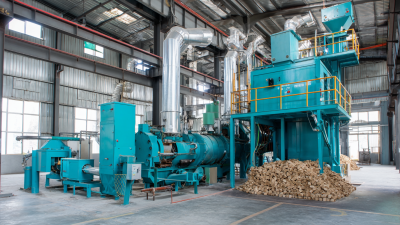
Biomass pelleting is vital for sustainable energy. To succeed, specific equipment and machinery are crucial. The process begins with a reliable feedstock grinder. This machine breaks down raw materials like wood chips or agricultural residues. Reports indicate that effective grinding enhances the pelleting process. A well-structured grinder can improve energy efficiency by up to 20%.

Next, a pellet mill is necessary for forming pellets. This equipment compresses the ground biomass under high pressure. The quality of pellets depends heavily on the mill's design. Some mills may require frequent maintenance, which can disrupt production. A poorly calibrated mill can also lead to low energy density in pellets.

Cooling systems play a pivotal role in maintaining pellet quality. They prevent overheating, which can degrade the pellet structure. Moreover, a proper cooling process ensures duration and durability during storage. Many producers overlook the importance of cooling, resulting in increased wear and tear on machinery. Understanding these aspects can lead to better resource management and improved production rates.

How to Start Biomass Pelleting for Sustainable Energy Production? - Essential Equipment and Machinery for Biomass Pelleting

Equipment Type Purpose Key Features Average Cost ($)
Hammer Mill Size reduction of biomass High speed, efficient grinding 5,000
Dryer Reduce moisture content Energy-efficient, adjustable temperature 10,000
Pellet Mill Forming pellets from biomass Variable die sizes, adjustable output 20,000
Cooler Cooling down hot pellets Prevents moisture absorption 8,000
Packaging Machine Pack finished pellets for sale Automatic weighing and sealing 7,000

Step-by-Step Process of Biomass Pelleting

How to Start Biomass Pelleting for Sustainable Energy Production?

Biomass pelleting is an effective way to produce sustainable energy. The step-by-step process starts with gathering raw materials. These materials usually include wood shavings, agricultural residues, or even food waste. Understanding the right mix is crucial. Each type of biomass has unique properties that affect the final pellet quality.

Next, the raw materials must be dried and ground. Moisture content is a key player here; too much moisture can cause poor quality pellets. A consistent particle size is needed for better compression. Then comes the pelleting phase. The ground materials are compressed and extruded through a die. This process requires careful monitoring to prevent overheating. An appropriate temperature is essential for binding the materials.

Finally, the pellets must be cooled and stored properly. Improper cooling can lead to hard pellets that break easily. Additionally, choosing the right storage conditions can prevent mold growth. Reflecting on common mistakes, many beginners overlook the importance of raw material quality and moisture control. Each step is vital, and neglecting any aspect can lead to failure.

Best Practices for Quality Control in Pelleting

How to Start Biomass Pelleting for Sustainable Energy Production?

Quality control is crucial in biomass pelleting. It ensures the production of consistent, high-quality pellets. Start by monitoring raw materials. The moisture content should be between 10% and 15%. Higher moisture can cause blowouts during pelleting. Yet, too low moisture results in poor binding. Adjust your drying processes accordingly.

Conduct regular checks on the pelleting machine settings. Pressure and temperature must be optimal. Too much heat can damage the biomass. To improve quality, sample pellets throughout the production process. Evaluate size, density, and durability. If pellets are crumbling, reconsider the formulation. Small tweaks can lead to significant improvements.

Documentation is key. Keep records of all tests and adjustments. This practice helps identify trends over time. Transparency in production can spark discussions about quality issues. Reflect on the aspects that need constant attention. Quality control is never a one-time task; it demands ongoing effort and reflection.

Sustainable Energy Benefits of Biomass Pellets

Biomass pellets are gaining attention for their sustainable energy potential. In 2020, the global biomass pellet market reached 9.2 million tons, showing a steady growth. These pellets are made from organic materials like wood waste and agricultural residues. By utilizing these resources, we reduce waste and lower carbon emissions. The combustion of biomass pellets emits around 30% less CO2 compared to fossil fuels.

Sustainable energy from biomass pellets has several benefits. For one, they offer a renewable energy source, drastically reducing dependency on fossil fuels. Over 2.5 billion people rely on solid biomass for cooking and heating. Transitioning to biomass pellets can enhance energy efficiency. They produce higher energy content per unit weight than raw biomass. However, scaling up production of biomass pellets requires careful management of feedstock supply chains. It is essential to ensure the sustainability of resources to avoid potential overharvesting.

Challenges exist in the adoption of biomass pellets. Transportation can be costly, impacting the final energy price. Additionally, the installation of pellet stoves and boilers requires upfront investment. Looking ahead, increasing public awareness and accessibility can drive adoption. It is crucial to address these hurdles to realize the full potential of biomass pellets as a sustainable energy solution.

Market Opportunities and Challenges in Biomass Pelleting Industry

The biomass pelleting industry presents intriguing market opportunities. Demand for renewable energy sources is growing. Countries are seeking cleaner alternatives to fossil fuels. Biomass pellets are a cleaner option. They reduce greenhouse gas emissions effectively. This shift creates a vibrant market for producers.

However, challenges loom over this industry. Sourcing quality biomass remains a concern. Not all biomass is created equal. Variability in feedstock can affect pellet quality. Supply chain logistics are also tricky. Transportation costs can eat into profits. Producers face significant operational hurdles.

Inconsistent regulations across regions add to the friction. Some areas offer incentives, while others impose strict limitations. Navigating this landscape requires careful planning. Understanding market dynamics is critical. Innovators must develop solutions to ensure sustainable practices. There's potential, but the road is not without bumps.

FAQS

: What is the main purpose of the service?

: The service aims to connect users with valuable resources. It helps improve knowledge and skills in various fields.

Who can use this service?

Anyone interested in learning new things can use this service. It’s open to all ages and backgrounds.

Are there any costs associated with the service?

The basic features are usually free. Some advanced options might require payment. It's worth checking.

How can I access the service?

You can access it online through a website or mobile app. Simply create an account to start.

What types of resources are available?

Resources include articles, videos, tutorials, and forums. They cover a wide range of topics for different users.

Is user feedback considered in improving the service?

Yes, user feedback plays a crucial role. It's important for continual improvement and meeting user needs.

Can I suggest new features?

Absolutely! Users are encouraged to share suggestions. This helps to shape the service based on user preferences.

Are there any guidelines for using the service?

Yes, users must adhere to community guidelines. Respectful interaction is key to a positive experience.

What should I do if I encounter a problem?

If you face issues, check the help section first. If problems persist, reach out to customer support.

Is there a mobile app available?

Yes, a mobile app is available for convenient access. It allows users to learn on the go.

Conclusion

Biomass pelleting is a crucial process in the transition towards sustainable energy production, leveraging organic materials for efficient fuel generation. By understanding the various biomass feedstocks suitable for pelleting and the essential equipment required, stakeholders can effectively implement this renewable energy solution. The step-by-step process of producing biomass pellets not only emphasizes operational efficiency but also highlights best practices for quality control, ensuring a high-standard product.

Furthermore, the benefits of biomass pellets extend beyond energy production to encompass significant environmental advantages. As the industry faces various market opportunities and challenges, embracing biomass pelleting can play an integral role in promoting sustainable energy solutions and reducing reliance on fossil fuels. The growing interest in biomass pelleting signifies its potential in paving the way for a greener energy future.

Liam

Liam

Liam is a dedicated marketing professional at CPSHZY, where he specializes in promoting the company’s extensive range of feed processing machinery and large-scale production of pellet mill dies, backed by over 25 years of industry expertise. With a deep understanding of the intricacies of feed......
Previous Innovative Solutions for Achieving the Best Die Design in Manufacturing
Inquire Basket ( 0)