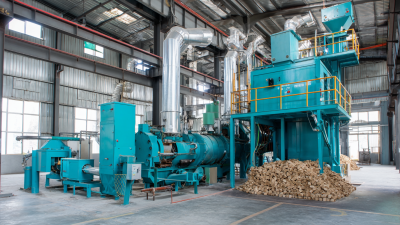
Picking the right pellet machine really is a big deal if you're jumping into the pellet production game. With so many options out there, it can get pretty overwhelming trying to find the perfect fit. Every machine’s different—there are variations in how they’re built, how much they can produce, and how much they cost. So, it’s super important to really understand what your specific needs and goals are before making a call.
Think about how much you plan to produce and what kind of materials you’ll be working with. If you’re just starting out or running a small operation, a smaller, more compact pellet machine might do the trick. But if you’re running a bigger setup, you’ll probably need something with a higher capacity to keep up with demand. And here’s the thing—you gotta strike a balance between what it costs and what it offers in terms of features. A cheaper machine might save you some cash upfront, but it could end up costing more in repairs or maintenance later on.
Do your homework—talk to industry folks, do some research, and get a sense of who's reliable when it comes to support and service. Yes, buying a pellet machine might seem pretty straightforward, but the smarter choice is to really give it some thought. Sometimes, it’s a bit of trial and error before you find the right one. And don’t forget—listening to feedback from other users can be super helpful in guiding you toward a decision that’ll actually boost your business in the long run.

Identify Your Business Requirements for Pellet Production
Identifying your business requirements is crucial before selecting a pellet machine.
Consider the type of material you plan to use. Different materials, such as wood or biomass, may require specific machines.
Understanding the physical properties of these materials will help you make a better choice. Are they dry or moist?
This can affect the machine's performance and efficiency.
Next, assess your production volume. How many pellets do you need daily, weekly, or monthly?
Machines vary in capacity. Choosing one that suits your production needs is essential to avoid bottlenecks.
A machine with insufficient capacity can slow down operations and lead to unmet demand.
However, selecting one that is too large could result in unnecessary energy costs and maintenance challenges.
Finally, consider the technical support and spare parts availability.
A reliable machine should come with accessible support and parts. Reflect on how maintenance plans fit within your budget.
There might be hidden costs associated with different machines. Ensuring a balance between cost and quality is vital for long-term success.
Do not overlook these essential factors when making your decision.
Understand the Types of Pellet Machines Available in the Market
When selecting a pellet machine, it's essential to understand the types available in the market. Each machine serves different materials and production scales. Common types include flat die and ring die pellet machines. Flat die machines are compact and affordable, making them suitable for smaller operations. They work well with various biomass materials but may lack efficiency for large-scale production.
Ring die machines, on the other hand, offer higher output and efficiency. They are ideal for large businesses that require continuous production. The ring die design promotes even compression, leading to better pellet quality. However, these machines often come with a higher initial investment.
**Tips:** Consider your material type and output needs before purchasing. Assess your budget versus the expected production capacity. If possible, seek advice from industry experts to better understand which machine suits your requirements. Remember, investing in the right machine can impact your business success significantly.
Evaluate the Material Compatibility with Pellet Machines
When selecting a pellet machine, material compatibility plays a crucial role. Different materials require specific pelletizers to ensure optimal performance. For instance, hardwoods like oak and hickory demand robust machines capable of handling their density. In contrast, softer materials like straw are more forgiving. Understanding the characteristics of these materials can enhance productivity and reduce operational costs.
The International Biochar Initiative has reported that a mismatch in material and machinery can lead to a 15% reduction in efficiency. This mismatch often results in excessive wear on the machine and subpar pellet quality. Furthermore, using inappropriate settings can increase energy consumption, sometimes by as much as 30%.
Incorporating moisture content is also critical. Wood pellets should ideally have a moisture content between
8-12% for optimal results. High moisture levels may lead to jams or inconsistent pellet shapes. Additionally, businesses must assess particle size because it affects the die’s performance. If the feedstock is too coarse, the machine may struggle, leading to downtime and increased maintenance needs.
Careful evaluation of these factors will contribute to a more sustainable and efficient operation.
Assess the Production Capacity and Efficiency of Machines
When selecting a pellet machine, assessing production capacity and efficiency is crucial. Each machine varies significantly in output, often defined by its horsepower and design. If your business requires high throughput, look for machines with higher capacity ratings. Machines that can produce more pellets per hour often lead to higher efficiency in the long run.
Efficiency also involves understanding the energy consumption of these machines. It might seem cheaper to buy a low-cost machine initially. However, the long-term energy costs can negate those savings. Always check how much energy the machine uses relative to its output. You want a balance that enhances productivity and minimizes operational costs.
Another common oversight is maintenance. Consider how easy or complex it is to maintain the machine. Some equipment may require specialized skills or parts that are hard to find. Reflect on your current resources and whether you have the capability to handle such tasks. This consideration can impact your efficiency over time. A sound choice today should still be viable years down the line, even when your production demands shift.
Consider the Cost and Budget for Your Pellet Machine Investment
When investing in a pellet machine, cost and budget are crucial. A comprehensive report from ResearchAndMarkets states that the global pellet market is expected to grow significantly. This growth affects the pricing of pellet machines. Understanding economic trends helps set realistic budgets. A typical pellet machine can range from $5,000 to over $100,000, depending on the capacity and features.
Be aware of hidden costs. Installation and maintenance can add up. The International Bioenergy Conference highlights that a poorly maintained machine can lead to over 20% of a company's budget being used on repairs. Additionally, consider the cost of raw materials. Fluctuating prices can impact overall profitability. Some businesses overlook these aspects, leading to financial strain.
Proper research is essential. Evaluate suppliers and compare machine specifications. While a cheaper machine might seem appealing, it might compromise efficiency and output. Investing in a quality machine could save money in the long run. Reflecting on past purchases can provide insights into better decisions. Ill-considered choices may hinder business growth and profitability in a competitive environment.
Examine the Maintenance and Support Services Offered
When choosing a pellet machine, maintenance and support services are crucial. Reliable support can significantly reduce downtime, which directly impacts your production efficiency. According to a report by the Pellet Fuel Institute, 30% of production delays are due to equipment failures that could have been mitigated with proper maintenance.
Evaluate the maintenance offerings from potential suppliers. A good service plan should include regular check-ups and quick response times. Some suppliers provide remote diagnostics, allowing immediate access to troubleshooting for minimal disruption. Consider companies that offer training for operators, as skilled staff can prevent many common issues and ensure smooth operation.
Tips: Keep a maintenance log for each machine. Track its performance, and schedule routine inspections. This proactive approach can help in identifying small issues before they escalate. Additionally, researching customer reviews can provide insights into the responsiveness of support services offered. Knowing the experiences of others can guide you in selecting a dependable partner for your pellet production needs.
How to Choose the Right Pellet Machine for Your Business? - Examine the Maintenance and Support Services Offered
| Feature |
Description |
Importance |
Average Support Rating |
| Durability |
The material quality and build of the pellet machine. |
High |
4.8/5 |
| Ease of Maintenance |
How easily the machine can be serviced and maintained. |
Medium |
4.5/5 |
| Support Availability |
Access to customer service and technical support. |
High |
4.7/5 |
| Warranty |
Length and extent of the machine's warranty. |
High |
4.6/5 |
| Spare Parts Availability |
Ease of obtaining replacement parts. |
Medium |
4.4/5 |
| Training Services |
Provided training to operate and maintain the machine. |
Medium |
4.3/5 |
Research Manufacturer Reputation and Customer Reviews in the Industry
When selecting a pellet machine for your business, investigating manufacturer reputation is crucial. A reliable manufacturer builds trust in their products over time. Look for companies with a long history in the industry. Their experiences often reflect their product quality. Seek out customer reviews to gauge satisfaction levels. Reviews from actual users provide insight into machine performance. Look for trends in both positive and negative feedback.
Tips: Evaluate customer service ratings. Good support means better assistance when issues arise. Check for warranties and after-sales service. These factors can indicate a manufacturer’s commitment to quality.
Don’t overlook critical reviews. They often highlight potential issues that may not be apparent initially. Consider user feedback on maintenance and efficiency. A machine might perform well but could require more upkeep. Always question how this aligns with your business goals. A thorough review process can save you time and money in the long run.
FAQS
: Material compatibility ensures optimal performance in pellet production. It reduces wear and improves pellet quality.
A mismatch can lead to a 15% reduction in efficiency. It also results in excessive machine wear.
Ideal moisture content for wood pellets is 8-12%. High moisture can cause jams and inconsistent shapes.
Particle size affects the die's performance. Coarse feedstock can lead to machine struggles and maintenance issues.
A pellet machine typically costs between $5,000 and over $100,000. Prices depend on capacity and features.
Installation and maintenance can add significant costs. Poor upkeep may lead to high repair expenses.
Understanding economic trends helps set realistic budgets. Fluctuating raw material prices can impact profitability.
Evaluating suppliers and comparing specifications can help avoid poor investment choices that hinder growth.
A cheaper machine may compromise efficiency, leading to higher long-term costs and reduced output.
Analyzing past choices can provide insights. Ill-considered purchases may limit business success.
Conclusion
When choosing the right pellet machine for your business, it’s essential to start by identifying your specific production requirements. This involves understanding the different types of pellet machines available, each tailored for various materials and production needs. Evaluating the compatibility of the materials you plan to use is crucial, as not all machines can handle every substance.
Additionally, assessing the production capacity and efficiency of potential machines will help ensure they meet your operational goals. Budget considerations are equally important; you should evaluate the initial cost against long-term benefits. Lastly, investigating the maintenance services and the manufacturer's reputation through customer reviews will guide you toward a reliable pellet machine that will support your business's growth effectively.