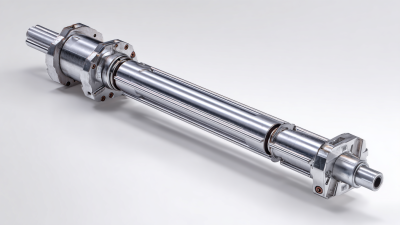
Choosing the right Concrete Mixer Shaft is essential for project success in the construction industry. According to a study by Global Industry Analysts, the concrete mixer market is projected to reach $5.7 billion by 2027. This growth is driven by the increasing demand for concrete in infrastructure projects.
A Concrete Mixer Shaft plays a critical role in the overall functionality of the mixer. Selecting the appropriate shaft can enhance efficiency and durability. However, many contractors overlook the significance of this choice. A poorly chosen shaft can lead to mixer malfunction and increased costs. The intricacies of material selection, diameter, and length can drastically affect performance.
Furthermore, insights from industry leaders like Meka and Liebherr emphasize the importance of customization. Each project has unique requirements, and a one-size-fits-all approach often falls short. The wrong shaft can lead to operational challenges. It’s crucial to balance cost and quality during selection. A well-informed decision can ultimately improve project timelines and outcomes.
When selecting a concrete mixer shaft, consider the type that best fits your project needs.
There are several types available, each designed for specific tasks. For instance,
standard shafts work well for general mixing.
They provide reliable performance for most applications. On the other hand, specialized shafts
are available for high-viscosity mixtures. These shafts often come with a
design that allows for deeper penetration into thick materials.
Material choice also plays a role. Some shafts are made from
carbon steel, while others utilize stainless steel. Carbon steel is cost-effective
and durable. However, it can rust if not maintained properly. Stainless steel, while pricier, offers better
longevity and resistance to corrosion. Maintenance is crucial regardless of the material. Neglect
can lead to wear and reduced efficiency.
Another factor is the length of the shaft. A longer shaft may provide better mixing quality
but can be harder to maneuver. A shorter shaft is easier to handle but may not reach the bottom of
larger mixers. Always consider your specific requirements to avoid mismatches. Mistakes can lead to inefficient mixing, wasting time and materials.
Reflect on the dimensions and weight of your chosen shaft. It’s essential to ensure it fits your mixer properly.
When selecting a concrete mixer shaft, consider your specific needs. The length of the shaft is a crucial factor. A longer shaft may help mix larger batches, while a shorter shaft is better for smaller jobs. Ensure the diameter of the shaft matches your mixer. If it’s too thick or too thin, it might not fit well and could lead to operational issues.
Material choice is also important. Steel shafts are durable, but they can rust over time. Coated shafts might resist corrosion better, yet they can wear down quickly under high stress. Think about how frequently you plan to use the mixer. If it’s for occasional projects, a less expensive option may suffice.
Don’t overlook the design of the mixing blades. The shape and configuration can drastically affect mixing efficiency. Some designs work better with certain materials. Take time to reflect on the types of mixes you will be doing. It can be easy to choose based on price, but performance is key. This decision can impact the quality of your work directly.
When assessing capacity requirements for a concrete mixer shaft, several factors come into play. The size of your projects is crucial. A shaft that is too small will struggle with heavier loads. It may lead to premature wear and inefficiencies. Think about the volume of concrete you typically mix. Are you dealing with large batches or small ones?
Consider also the mixing speeds you require. Different jobs may demand different speeds. A slower shaft could mix thoroughly but might not meet high-demand scenarios. You’ll need to evaluate the type of materials being mixed too. Some mixes are denser than others and may require a more robust shaft.
Pay attention to your budget. Sometimes, choosing a more expensive, heavy-duty shaft is wiser in the long run. It might prevent issues and save costs on replacements. Reflect on past experiences with mixers. Have you faced challenges that could be avoided? Learning from those can guide you in making the right choice. Don't forget safety as well. A poorly matched shaft can pose risks at the job site.
Choosing the right material for concrete mixer shafts is crucial. It directly impacts
durability and performance. Common materials include carbon steel,
stainless steel, and alloy steel. Each option offers unique benefits and drawbacks.
Carbon steel is popular due to its strength and affordability. However, it may rust over time if not properly treated.
On the other hand, stainless steel resists corrosion well. This is beneficial for
wet environments. Yet, it can be more expensive. Alloy steel combines toughness and wear resistance.
It can handle heavy-duty tasks but may not be necessary for lighter jobs.
Reflect on how often your mixer is used. Consider the environment too. If it’s primarily indoors, carbon steel might suffice.
But for outdoor use, stainless steel can be a wise investment.
Balancing cost with durability is essential. Sometimes, spending more upfront can prevent costly replacements later.
When selecting a concrete mixer shaft, cost and budget constraints play a crucial role. According to industry reports, nearly 40% of buyers cite budget as their primary concern. The right shaft can enhance productivity, but you need to balance quality and cost. A low-priced option might not deliver the durability needed for heavy work. Conversely, overspending could strain your resources.
Tips for choosing wisely: always assess the total cost of ownership. This includes maintenance and replacement needs. Sometimes, a cheaper option can lead to higher long-term costs. Look for shafts that promise efficiency, but beware of inflated claims. Data shows that investing slightly more upfront can result in significant savings later.
One should consider the application. A shaft suitable for light tasks may break under heavy loads. Not every project justifies premium pricing. Also, how often you'll use the mixer should influence your decision. Maybe you need a versatile mixer for varied jobs? That's a valid point of reflection before making a purchase.
When it comes to concrete mixer shafts, maintenance is crucial for longevity. Experts suggest that proper care can extend a mixer shaft's lifespan by up to 30%. Regular inspection helps identify wear and tear early. Look for cracks or bends. Even small defects can escalate into costly repairs.
Lubrication is essential. Using the right lubricant reduces friction and prevents overheating. It is advised to apply lubricant at least every 20 hours of use. A clean shaft is equally important. Dust and debris can cause severe damage. Consider implementing a cleaning schedule to keep it in top condition.
Check the alignment periodically. Misalignment can lead to uneven wear. This not only affects performance but can also lead to early failure. Remember that every component of the mixer works together. Neglecting small issues can result in larger, more expensive problems down the road. Regular maintenance secures efficiency and saves money.
When choosing the right concrete mixer shaft, avoid common pitfalls that can lead to frustration. Many people overlook the material used for the shaft. A strong and durable material is crucial. If you choose a lower-quality option, it may bend or break under pressure. This can halt your project and cost you time and money.
Another mistake is ignoring the shaft's length. A shaft that is too short may not reach all parts of the mixer. On the other hand, an overly long shaft can be cumbersome and difficult to handle. It's essential to measure your mixer accurately before making a decision. Sometimes, people assume they know the right size, but a quick check can save a lot of hassle.
Don't forget to consider the compatibility with your mixer model. Not all shafts fit all mixers. Many users buy without checking, leading to disappointment when parts do not align. Taking the time to research compatibility pays off in the long run. These mistakes may seem minor but can significantly impact your mixing experience.
: Think about your interests and available time. Research different activities. Identify what excites you.
Create a schedule that includes hobby time. Set reminders. Stay flexible and adjust when needed.
That’s normal. Reflect on why your interest has waned. Consider trying a different approach or activity.
Look for local clubs or groups. Use social media platforms to connect. Attend events to meet like-minded people.
Yes, but be mindful. Set a reasonable budget. Ensure it doesn't affect your essential expenses.
Take a step back. Allow yourself to take breaks. Re-evaluate your expectations and progress.
Choosing the right Concrete Mixer Shaft is crucial for achieving optimal performance in your mixing operations. Understanding the different types of concrete mixer shafts available helps you make an informed decision. Key factors to consider include the capacity requirements, as well as the material options that ensure durability under heavy use. It's also essential to evaluate your budget constraints while keeping in mind the potential long-term costs of maintenance.
Proper maintenance tips can significantly extend the life of your Concrete Mixer Shaft, ensuring reliable performance over time. Additionally, being aware of common mistakes during the selection process can save you from future issues. Overall, a thoughtful approach to these considerations will enhance your productivity and efficiency in concrete mixing.