0%

Picking the right drum mixer shaft isn’t just a small detail – it’s actually pretty important if you want everything to run smoothly. A good fit can really boost your efficiency and give you more consistent results. Because different jobs call for different specs, taking the time to choose the right one is definitely worth it.

Think about what material the shaft's made from. Stainless steel is great for durability, but if you’re after something lighter and cheaper, plastic could work. Also, make sure the diameter and length are just right for your setup. A wrong fit can lead to poor mixing or even mess up your equipment, so it’s not something to overlook.

Looking back at past experiences can be super helpful, too. Maybe your last shaft didn’t quite deliver what you needed. Understanding why that happened can help you make a smarter choice this time around. The goal is to pick a shaft that meets your specific operational needs—anything that helps you get the job done faster and more effectively. So, take your time and choose wisely—trust me, it’ll pay off in the long run.

How to Choose the Right Drum Mixer Shaft for Your Needs?

Understanding Drum Mixer Shafts and Their Importance

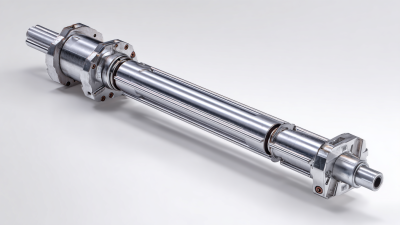
Drum mixer shafts play a vital role in ensuring efficient mixing processes. They connect the motor to the mixer and are responsible for transferring power. The right shaft can make a significant difference in the mixing quality. Selecting the appropriate shaft requires an understanding of the materials and applications involved. For example, a heavy-duty shaft might be necessary for thick materials, while lighter options could suffice for lighter substances.

When choosing a shaft, consider its length and diameter. The dimensions affect the mixing action and efficiency. Too long a shaft can lead to wobbling, while an overly short one may not mix adequately. It's important to strike a balance to achieve optimal results. Additionally, think about the shaft's material. Steel or stainless steel shafts can withstand tough conditions, but they may be overkill for less demanding jobs.

Keep in mind that not all mixers are created equal. Some designs may not accommodate certain shaft sizes or types. This mismatch can lead to inefficiencies. Be prepared to reassess your needs regularly. Mixing processes can evolve, requiring adjustments to equipment. Reflect on past projects to inform future decisions. The right shaft can enhance productivity and improve outcomes in a range of applications.

Factors to Consider When Choosing a Drum Mixer Shaft

How to Choose the Right Drum Mixer Shaft for Your Needs?

Choosing the right drum mixer shaft is crucial for achieving optimal mixing performance. One of the primary factors to consider is the material of the shaft. Common materials include stainless steel and carbon steel. Stainless steel is often more resistant to corrosion. However, it can be more expensive. Consider your budget while assessing long-term durability.

Another important aspect is the shaft diameter. A thicker shaft can handle heavier loads and provide better stability during mixing. But it might require a more powerful motor. Pay attention to your mixer’s specifications. The length of the shaft also matters. A shorter shaft can be more efficient for small batches, while a longer shaft is essential for larger volumes.

Lastly, the design of the shaft should match your mixing requirements. Some processes may require a helical design for better mixing action. Others might benefit from a more straightforward design. Evaluate the specifics of your mixing applications. Taking time to understand these factors can help avoid costly mistakes later on. Reflect on your unique needs and how each factor influences your choice.

Materials Used in Drum Mixer Shafts: Pros and Cons

When selecting a drum mixer shaft, the material plays a crucial role in performance. Steel is a common choice due to its durability and strength. A study from the American Society of Mechanical Engineers noted that steel shafts offer greater resistance to deformation and wear. This characteristic is vital in high-load applications. However, steel can be heavy, which may impact the overall mixing efficiency.

Aluminum shafts present a lighter alternative. They are easier to handle and reduce the energy cost of operation. According to an industry report, aluminum can increase mixing speed by up to 15%. However, this material may have lower durability compared to steel. It’s essential to evaluate if the increased speed compensates for potential wear.

In some cases, composite materials are used. They offer excellent corrosion resistance and lower weight. However, they may not withstand high torque requirements. Choosing the right material requires balancing pros and cons. Assess the specific needs of your operation. Sometimes, a combination of materials might be the best choice. Understanding the unique demands of your mixing process is critical.

Different Types of Drum Mixer Shafts and Their Applications

When choosing a drum mixer shaft, understand the various types available and their specific applications. There are solid shafts, which are robust and suitable for high-viscosity materials. Hollow shafts, on the other hand, are lighter and often used for mixing less dense substances. A report by the Mixing and Blending Equipment Manufacturers Association indicates that over 30% of processing plants opt for solid shafts due to their durability.

Consider the mixing environment. If working with abrasive materials, a hardened shaft may be necessary. For applications involving shear-sensitive products, a gentle mixing action is vital. Remember, shaft length can also impact performance. Shorter shafts may reduce turbulence, while longer shafts can improve efficiency in large drums.

Tips: Always assess the material being mixed. Not all shafts handle every substance well. For intricate mixtures, consulting a mixing expert could save time and cost. Analyze your operational needs frequently; adjustments may lead to better outcomes. Embrace feedback from operators using different shafts. Their real-world insights can reveal unforeseen issues.

How to Choose the Right Drum Mixer Shaft for Your Needs?

Shaft Type Material Applications Load Capacity Speed Rating
Standard Shaft Steel General mixing of dry materials Up to 500 kg Up to 400 RPM
Heavy-Duty Shaft Stainless Steel High viscosity and abrasive materials Up to 1000 kg Up to 300 RPM
Lightweight Shaft Aluminum Light mixtures, powders Up to 250 kg Up to 600 RPM
Custom Shaft Various Specific industrial applications Varies Varies

Compatibility: Ensuring the Right Fit for Your Mixer

When selecting a drum mixer shaft, compatibility is key. The right shaft must match your mixer model. This ensures optimal performance and reduces the risk of equipment failure. A study by the Mixing Equipment Manufacturers Association states that mismatched components account for over 30% of mixer malfunctions. This highlights the importance of proper fit.

Measure the shaft length and diameter carefully. The industry standard varies, requiring precise specifications. Additionally, consider the material of both the mixer and the shaft. Stainless steel offers durability, but aluminum is lighter. This choice affects mixing efficiency, especially in heavy-duty applications. A report from Industry Research Insights shows that a well-matched mixer can improve productivity by up to 20%.

Don’t overlook the paddle design and its adaptability. Different materials may require specific paddle shapes for optimal mixing. An ill-fitting paddle can lead to uneven mixtures and increased wear on the shaft. Regularly checking compatibility can save time and money in the long run. Being proactive about these details can prevent future headaches. Compatibility isn't just optional; it's essential for reliable operation.

Maintenance Tips for Prolonging the Life of Drum Mixer Shafts

Drum mixer shafts are essential for efficient mixing processes. Regular maintenance is vital for extending their lifespan. Statistics show that well-maintained equipment can last up to 30% longer than neglected counterparts. Regular inspection can help identify wear and tear early. Ignoring small issues can lead to costly replacements.

Lubrication is crucial. Check the bearings and joints frequently. According to industry data, improper lubrication is responsible for 40% of mixer shaft failures. Use quality lubricants that meet specifications for your specific drum mixer. Over time, dirt and debris can accumulate, causing friction. Keep the mixing area clean to prevent this.

Monitor the operational environment. Extreme temperatures can impact performance. In environments with high humidity, corrosion can occur. This can reduce the shaft strength significantly. Regularly apply protective coatings to ward off rust. Small, proactive steps can make a big difference.

Drum Mixer Shaft Maintenance and Lifespan Data

This chart illustrates the factors affecting the lifespan of drum mixer shafts based on a scale of 1 to 10. Higher scores indicate a greater impact on prolonging the lifespan.

Cost Considerations and Budgeting for Drum Mixer Shafts

How to Choose the Right Drum Mixer Shaft for Your Needs?

When budgeting for drum mixer shafts, it's essential to consider several factors. The total cost often includes materials, design specifications, and manufacturing processes. A recent industry report indicates that the average cost of a standard stainless steel shaft can range from $150 to $500. Higher-end options, which may use specialized alloys, can exceed $800. This disparity highlights the importance of aligning your needs with your budget.

Consider the capacity and application of your drum mixer. If you are mixing lightweight materials, a basic shaft may suffice. In contrast, heavier or more viscous materials require more robust shafts. This could push the budget higher. For example, shafts designed for high-viscosity applications can add up to 20% more to the base price. It’s crucial to balance quality and cost, as opting for cheaper shafts might lead to breakdowns and replacement costs.

Investing in a durable and efficient drum mixer shaft offers long-term benefits. Maintenance costs can accumulate if shafts are not suitable for their intended purpose. A study showed that companies often underestimated these costs, leading to unexpected expenses. Reflecting on past purchases can guide future decisions. Sometimes, the lowest upfront cost doesn’t equate to the best value in the long run.

FAQS

: What is the purpose of the product?

: The product aims to provide convenient solutions for daily tasks. It simplifies workflows and enhances productivity.

How should the product be used?

Follow the specific instructions provided. Ensure you understand each step before starting.

Are there any safety precautions?

Yes, it’s essential to follow safety guidelines. Improper use may lead to accidents or damage.

What should I do if the product malfunctions?

Stop using it immediately. Check the troubleshooting guide or seek professional help if needed.

Is there a warranty period available?

Typically, there is a warranty. Review the details to know the coverage and conditions.

Can I return the product if I don't like it?

Yes, returns are generally accepted. Ensure it’s in original condition and within the specified timeframe.

How can I contact customer support?

Customer support can be reached via email or phone. Response time may vary.

What if I miss a delivery?

Check the delivery policy. You may need to reschedule or pick it up from a designated location.

Are there any usage tips?

Yes, maximizing efficiency involves regular maintenance and proper handling. Small adjustments can make a difference.

What if I need additional accessories?

Additional accessories can enhance functionality. Ensure compatibility with your existing setup before purchasing.

Conclusion

Choosing the right Drum Mixer Shaft is crucial for ensuring optimal mixing performance and efficiency in various applications. Understanding the different materials used in drum mixer shafts, along with their advantages and disadvantages, can significantly influence your decision. Key factors to consider include the specific requirements of your mixing process, compatibility with your existing equipment, and the maintenance needs to extend the shaft's lifespan.

Additionally, it’s important to evaluate the different types of drum mixer shafts available and their respective applications. Budgeting for these essential components involves weighing cost considerations against quality and durability. By addressing these aspects, you can select a drum mixer shaft that meets your operational needs while optimizing performance and longevity.

Liam

Liam

Liam is a dedicated marketing professional at CPSHZY, where he specializes in promoting the company’s extensive range of feed processing machinery and large-scale production of pellet mill dies, backed by over 25 years of industry expertise. With a deep understanding of the intricacies of feed......
Previous Innovative Solutions for Achieving the Best Die Design in Manufacturing
Inquire Basket ( 0)