0%

In recent years, the pursuit of sustainable energy solutions has gained significant momentum, driven by the urgent need to mitigate climate change and reduce reliance on fossil fuels. One of the most promising technologies in this arena is the Pellet Machine, which has become integral to the biomass energy sector. According to the Biomass Power Association, the U.S. biomass energy market is expected to reach nearly $27 billion by 2025, reflecting a growing preference for renewable sources. Pellet machines efficiently compress organic materials into pellets, which can be used as a high-efficiency renewable fuel, thereby promoting a circular economy.

Moreover, the use of pellet machines can contribute significantly to waste reduction. The Global Renewable Energy Agency states that biomass can help divert upwards of 1.3 billion tons of organic waste from landfills annually, thereby not only generating energy but also addressing environmental challenges posed by waste management. As businesses and consumers alike seek to decrease their carbon footprints, the Pellet Machine emerges as a vital tool in the transition towards sustainable energy production, poised to play a central role in both local and global efforts to create a cleaner, greener future.

Understanding the Benefits of Using a Pellet Machine for Sustainable Energy Production

Pellet Machines: A Key Player in the Sustainable Energy Landscape

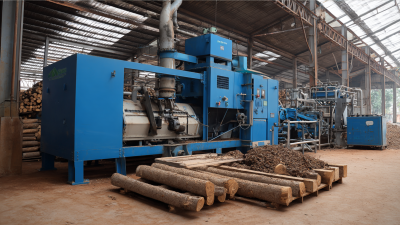
Pellet machines have emerged as essential tools in the sustainable energy landscape, enabling the conversion of various biomass into clean, renewable energy sources. These machines compress materials like wood, agricultural residues, and other organic waste into pellets, which can be used for heating, electricity generation, and even as feedstock for biofuels. By facilitating the recycling of waste products, pellet machines not only contribute to reduced landfill outputs but also promote the use of locally sourced materials, thus decreasing reliance on fossil fuels.

**Tip:** When investing in a pellet machine, consider its capacity and the type of biomass you have available. Choosing the right machine can maximize efficiency and ensure that you get the best yield from your raw materials.

Moreover, pellet machines support energy independence by allowing individuals and communities to produce their own fuel. This localized production can lead to significant savings on energy costs while also fostering job creation in rural areas. As the shift towards renewable energy accelerates, pellet machines stand out as a practical solution for those looking to contribute to a more sustainable future.

**Tip:** Regular maintenance of your pellet machine is crucial for optimal performance. Check for wear and tear on components and ensure that the machinery is clean to extend its lifespan and efficiency.

Understanding the Benefits of Using a Pellet Machine for Sustainable Energy Production

Dimension Description Benefit
Efficiency High production rate of pellets from biomass. Maximizes energy output and reduces waste.
Sustainability Utilizes renewable resources for energy production. Contributes to a circular economy and reduces carbon footprint.
Cost-Effectiveness Lower operational costs compared to fossil fuels. Reduces energy expenses for consumers and businesses.
Versatility Applicable for various biomass materials such as wood, straw, and agricultural residues. Allows diverse fuel sources, enhancing energy security.
Storage and Transport Pellets are compact and easier to store and transport. Improves supply chain efficiency and reduces transportation costs.

Environmental Impact: Reducing Carbon Footprint Through Pellet Production

The environmental impact of using pellet machines for sustainable energy production is significant, particularly in terms of reducing the carbon footprint. By converting biomass into pellets, we create a renewable energy source that can replace fossil fuels. This not only curtails greenhouse gas emissions but also minimizes waste by repurposing agricultural residues and wood by-products. As a result, industries and households alike can contribute to a cleaner environment while meeting their energy needs.

Tip: When considering a pellet machine, opt for models that utilize locally sourced materials. This practice not only supports local economies but also reduces transportation emissions, further enhancing the sustainability of your energy production efforts.

Moreover, pellet production plays a crucial role in improving energy efficiency. Pelletized materials have a higher energy density compared to raw biomass, meaning they burn more efficiently and produce less ash and smoke. This cleaner combustion process results in lower emissions and promotes better air quality.

Tip: Regular maintenance of your pellet machine is essential. Keeping the equipment in optimal condition ensures consistent pellet quality and maximizes energy output, making your sustainable energy production as effective as possible.

Cost-Efficiency: Analyzing the Economic Benefits of Pelletized Biomass

The shift toward renewable energy has made pelletized biomass an attractive option for many industries. With rising energy costs and increasing environmental concerns, the economic benefits of using a pellet machine are significant. According to the Biomass Power Association, the production of biomass pellets can effectively reduce energy costs by up to 50% compared to traditional fossil fuels. This is primarily due to the relatively low cost of raw materials, which often consist of agricultural residues or wood waste.

Moreover, the initial investment in pellet machines can be offset by long-term savings on fuel and maintenance. A report by the International Renewable Energy Agency (IRENA) indicates that pellet production facilities can achieve payback periods as short as three years, depending on capacity and local market conditions. The ability to produce pellets in close proximity to biomass sources also minimizes transportation costs, enhancing overall cost-efficiency.

**Tips:** When considering investing in a pellet machine, it's crucial to analyze local biomass availability and market demand. Conducting a thorough market assessment can lead to better investment decisions. Additionally, explore partnerships with local farms or forestry operations to secure consistent, low-cost feedstock for your pellet production. This strategy not only boosts profitability but also contributes to the sustainability of energy production.

Energy Output: Comparing Pellet Energy Yield to Traditional Fuels

As the global shift towards renewable energy continues, pellet machines have emerged as a vital technology in the production of sustainable energy. A key advantage of using pelletized biomass is its energy yield. Research indicates that wood pellets can provide an energy output of approximately 4.5 MWh per ton, significantly higher than traditional fuels like coal, which average around 2.5 MWh per ton. This substantial difference in energy density makes pellets an attractive alternative for electricity generation and heating applications.

Moreover, the efficiency of pellet combustion further enhances their appeal. Studies show that modern pellet stoves and boilers can achieve efficiencies of 80-90%, compared to 30-40% for conventional fossil fuel systems. This efficiency translates into less fuel consumption and reduced greenhouse gas emissions. According to the U.S. Energy Information Administration, using biomass pellets instead of fossil fuels could reduce carbon dioxide emissions by over 90%, making them a crucial component in the fight against climate change. Such data highlight the potential of pellet machines not only to support sustainable energy production but also to contribute to a cleaner and more environmentally friendly energy landscape.

Innovations in Pellet Technology: Enhancing Efficiency and Sustainability

The advancements in pellet technology play a crucial role in enhancing the efficiency and sustainability of energy production. Within the industry, the increasing demand for environmentally friendly fuels has driven innovations that focus on maximizing energy output while minimizing waste. Recent studies indicate that pelletized biomass can achieve an energy density nearly 20% higher than traditional wood chips, making it a more efficient choice for energy generation. As highlighted in the 2021 International Biomass Conference report, using modern pellet mills can significantly reduce greenhouse gas emissions, making the switch to pelletized fuels an attractive option for both energy producers and sustainable agriculture.

Shanghai Zhengyi Machinery Engineering Technology Manufacturing Co., Ltd. (CPSHZY) has been at the forefront of this revolution, with over 25 years of experience in manufacturing state-of-the-art pellet mill dies and feed processing machinery. The company’s commitment to providing cutting-edge environmental protection systems for feed plants and aquaculture farms reinforces the importance of sustainable practices in the industry. By integrating innovative techniques and advanced machinery, CPSHZY not only boosts production efficiency but also contributes to a cleaner and greener future, aligning with global trends towards sustainability and responsible resource management.

Market Trends: The Growing Demand for Pellets in Renewable Energy Solutions

The demand for pellets as a renewable energy source has been steadily increasing, driven by the global shift towards sustainable energy solutions. According to the International Renewable Energy Agency (IRENA), the global production of wood pellets reached approximately 40 million tons in 2022, indicating a robust growth trend. This surge reflects the increasing reliance on biomass for heating and power generation, as countries look to reduce their carbon footprints and transition away from fossil fuels.

As industries move towards more sustainable practices, pellets are becoming a preferred choice due to their efficiency and lower emissions. A report by the Bioprocurement Alliance highlights that pellets generate up to 80% less CO2 compared to traditional coal when burned. This shift not only capitalizes on the waste utilization but also creates new markets and job opportunities within the renewable energy sector.

**Tips:** When considering the use of a pellet machine, it's essential to evaluate the quality of raw materials, as this affects pellet durability and energy output. Also, investing in advanced pellet machinery can enhance production efficiency and meet the rising market demand effectively. Lastly, always stay updated on environmental regulations to ensure compliance and promote sustainable practices in your operations.

Market Trends: The Growing Demand for Pellets in Renewable Energy Solutions

The bar chart above illustrates the increasing demand for pellets in renewable energy solutions from 2019 to 2023. The data indicates a steady growth, reflecting the rising interest in sustainable energy sources.

FAQS

: What are pellet machines used for in the context of sustainable energy?

: Pellet machines are used to convert various biomass materials, such as wood and agricultural residues, into pellets that can be utilized for heating, electricity generation, and biofuel production.

How do pellet machines contribute to reducing landfill waste?

By recycling waste materials into usable energy pellets, pellet machines help decrease landfill outputs and promote the use of locally sourced materials, reducing reliance on fossil fuels.

What factors should be considered when investing in a pellet machine?

When investing in a pellet machine, it's important to consider its capacity and the type of biomass available to ensure maximum efficiency and optimal yield from raw materials.

How do wood pellets compare to traditional fuels in terms of energy output?

Wood pellets provide an energy output of approximately 4.5 MWh per ton, which is significantly higher than traditional fuels like coal, which average around 2.5 MWh per ton.

What is the combustion efficiency of modern pellet stoves compared to conventional fossil fuel systems?

Modern pellet stoves and boilers can achieve efficiencies of 80-90%, whereas conventional fossil fuel systems typically operate at 30-40% efficiency.

How can using biomass pellets impact greenhouse gas emissions?

Using biomass pellets instead of fossil fuels could reduce carbon dioxide emissions by over 90%, making pellets a key player in combating climate change.

What advancements are being made in pellet technology?

Innovations in pellet technology focus on maximizing energy output while minimizing waste, with studies showing that pelletized biomass has an energy density nearly 20% higher than traditional wood chips.

How does CPSHZY contribute to the pellet manufacturing industry?

Shanghai Zhengyi Machinery Engineering Technology Manufacturing Co., Ltd. leads the pellet machine industry with over 25 years of experience, providing advanced machinery and systems that enhance production efficiency and promote sustainable practices.

What role do pellet machines play in energy independence?

Pellet machines enable individuals and communities to produce their own fuel, leading to potential savings on energy costs and job creation in rural areas.

Why is regular maintenance important for pellet machines?

Regular maintenance is crucial for optimal performance, as it helps prevent wear and tear on components and ensures that the machinery remains clean, extending its lifespan and efficiency.

Conclusion

The article "Understanding the Benefits of Using a Pellet Machine for Sustainable Energy Production" highlights the pivotal role pellet machines play in promoting sustainable energy solutions. By producing pelletized biomass, these machines significantly reduce carbon footprints, making them environmentally friendly. The economic advantages are also noteworthy, as the cost-efficiency of pellet production proves beneficial compared to traditional fuels.

Additionally, advancements in pellet technology enhance overall efficiency and sustainability, contributing to a more robust renewable energy market. With the increasing demand for pellets in various applications, companies like Shanghai Zhengyi Machinery Engineering Technology Manufacturing Co., Ltd. are well-positioned to lead the way in manufacturing high-quality pellet machines and promoting environmentally sound practices in feed processing and aquaculture.

Liam

Liam

Liam is a dedicated marketing professional at CPSHZY, where he specializes in promoting the company’s extensive range of feed processing machinery and large-scale production of pellet mill dies, backed by over 25 years of industry expertise. With a deep understanding of the intricacies of feed......
Previous Innovative Solutions for Achieving the Best Die Design in Manufacturing
Inquire Basket ( 0)