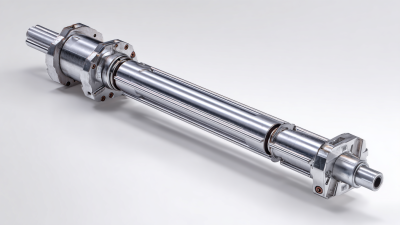
The Drum Mixer Shaft might not be the most glamorous part of the operation, but honestly, it’s pretty essential across lots of industries. Without it, things just don’t run as smoothly—and that can really hit productivity. I’ve seen reports lately that say the global market for drum mixers is expected to grow about 5% annually through 2028 (thanks, Market Research Future!). This uptick makes sense, considering how much demand there is for top-notch mixing equipment in food production, pharma, and construction fields.
Having a sturdy, reliable drum mixer shaft really makes all the difference. It’s not just about better mixing—it also helps keep everything running efficiently. Companies like Schenck Process and Vortex Engineering are quick to point out that using tough, durable materials can really make a big difference in how long these shafts last. A well-made shaft can cut down on downtime and repair costs, which, let’s be honest, directly boosts your overall ROI.
But here’s the thing—some manufacturers tend to overlook how important proper maintenance really is. If you ignore your drum mixer shaft, it’s only a matter of time before wear and tear start to pile up. Regular inspections are a must if you want things to keep humming along smoothly. When shopping around, it’s smart to weigh the perks against potential headaches that come with choosing and caring for these parts. Understanding what’s involved can help you make smarter decisions—especially in such a competitive market.
Drum mixer shafts are essential components in the industrial mixing process. They ensure uniform mixing of materials, improving product consistency. A well-designed shaft can greatly enhance mixing efficiency, leading to better outcomes in various applications.
These shafts possess several key features that attract buyers. First, durability is a significant aspect. High-quality materials can withstand harsh conditions. This prevents wear and tear, ensuring a longer service life. In addition, a carefully engineered shaft design reduces the likelihood of breakdowns.
Another important feature is the flexibility in design. Customizable shaft lengths and diameters allow for a perfect fit in different drum sizes. This adaptability makes it easier for buyers to find the right solution for their specific needs. Furthermore, effective mixing performance often requires precise engineering. However, some buyers may overlook the importance of periodic maintenance. Regular checks can prevent costly repairs and extend the overall lifespan of the equipment.
Drum mixer shafts play a crucial role in various industries, enhancing efficiency and reliability in mixing processes. In the construction sector, for instance, adopting drum mixer shafts can significantly reduce mixing time. A report by the American Concrete Institute indicates a potential 25% increase in productivity when using advanced mixing technologies. This improvement is essential for meeting tight project deadlines.
Additionally, in the food and beverage industry, drum mixer shafts ensure uniformity in product quality. According to a study conducted by the International Journal of Food Science, proper mixing can lead to a 15% reduction in product waste. This is vital for companies looking to enhance sustainability while maximizing profits. The consistency achieved through these shafts builds consumer trust and brand loyalty.
However, not all drum mixer shafts are created equal. Some models may not perform optimally under specific conditions, leading to operational inefficiencies. Buyers need to evaluate their requirements carefully. An analysis from Manufacturing Engineering shows that over 30% of companies report issues related to mixer shaft selection. Understanding the unique demands of each industry is essential to avoid costly mistakes and ensure long-term benefits.
Drum mixer shafts play a crucial role in ensuring the efficiency and effectiveness of mixing processes. Their durability and longevity directly impact the overall performance of mixing equipment. A high-quality shaft withstands the demands of heavy use, providing reliable service over time. This is especially important in industries that rely on continuous mixing operations, where equipment failure can lead to significant setbacks.
Investing in a robust drum mixer shaft can greatly reduce maintenance costs. Frequent replacements and repairs consume both time and resources. A well-engineered shaft minimizes wear and tear, enabling smoother operations. Users must consider the materials and design of the shaft for optimal performance. Each component should be assessed for strength and resilience, as these factors determine its lifespan.
While many buyers prioritize cost, it’s essential to reflect on long-term gains. A cheaper alternative may seem attractive but can lead to early replacements. Prioritizing quality over price ensures that operations remain uninterrupted. Buyers should research various options, focusing on their specific needs and operational conditions. Ultimately, selecting the right drum mixer shaft is about balancing initial investment with future reliability.
Drum mixer shafts play a crucial role in the manufacturing industry. These components not only enhance mixing efficiency but also offer significant cost-saving benefits. According to a recent industry report, companies using drum mixer shafts can reduce material waste by up to 30%. This reduction translates directly into lower operational costs. Efficient mixing ensures that materials are utilized better, resulting in substantial savings over time.
Implementing high-quality drum mixer shafts can lead to increased production rates. Studies show that businesses experience up to a 25% improvement in output when upgrading their mixers. This improvement may mitigate some initial investment costs. Additionally, reliable shafts reduce maintenance needs. Less frequent repairs and replacements create financial advantages.
Tips: Regularly assess the performance of your drum mixer shaft. Look for signs of wear early. Staying proactive can help avoid unexpected costs.
Choosing the right material for mixer shafts is vital. Some options boast enhanced durability. However, a cheaper alternative may require more frequent replacements. Weigh the long-term savings against upfront costs carefully.
Tips: Monitor your production metrics closely. Analyze data trends to identify when to upgrade or replace your equipment. Such awareness can help maintain efficiency.
Drum mixer shafts play a vital role in various mixing applications. Their versatility allows them to adapt to different materials and environments. Whether it’s dry powders or pastes, the right shaft can significantly improve the mixing process. Many industries rely on these shafts for consistent and efficient results.
The design of drum mixer shafts impacts mixing efficiency. A well-designed shaft can create a uniform blend, reducing the time and energy required. For example, in food production, achieving the perfect mixture ensures product quality. In construction, the right shaft can enhance the blending of materials like concrete. Misalignment or poor design can lead to ineffective mixing, resulting in waste.
Many buyers often overlook maintenance. Regular checks on the shaft can prevent performance issues. Achieving optimal results requires more than just choosing the right shaft; understanding its care is essential. Buyers should invest time in learning about the specific needs of their chosen mixer shaft to maximize its benefits.
The following chart illustrates the top 10 benefits of drum mixer shafts, showcasing their versatility in various mixing applications.
Drum mixer shafts play a crucial role in ensuring safety during mixing processes. Their robust design minimizes the risk of equipment failure. This durability reduces hazards associated with machinery malfunctions. A well-constructed shaft ensures consistent mixing, which prevents accidents caused by uneven material distribution.
Furthermore, safety benefits extend to operators. Properly maintained shafts reduce vibration and noise levels, creating a safer work environment. Operators feel more comfortable when machinery runs smoothly. Regular inspections can prevent potential hazards, reducing workplace injuries. Training on equipment use enhances safety awareness.
However, not all drum mixer shafts are equally safe. Buyers must consider the materials and manufacturing processes. Cheap alternatives may compromise safety. Investing in quality shafts is essential for long-term reliability. Analyzing suppliers’ track records helps ensure compliance with safety standards. Recognizing potential weaknesses in choices can lead to improved decision-making.
When selecting the right drum mixer shaft, consider the material. Stainless steel is durable and resistant to corrosion. However, it may not be the best choice for all applications. Think about your specific needs. Sometimes, a simpler alloy could suffice.
The shaft's length and diameter must fit your mixer design. Measure carefully. An incorrect size can lead to inefficiency. Did you know that a poorly fitted shaft can create vibration? This can cause premature wear on other components. Always prioritize compatibility with your mixer model.
Don’t overlook the importance of maintenance. A well-maintained shaft leads to better performance. Establish a routine for inspections. Regular checks can uncover small issues before they escalate. Remember, even the best shafts need care. Emphasizing reliability in your selection process can save you significant costs down the line.
: Drum mixer shafts ensure uniform mixing of materials, improving product consistency in the industrial mixing process.
Durable shafts can withstand harsh conditions, preventing wear and ensuring a longer service life.
Customizable lengths and diameters ensure a perfect fit in different drum sizes, meeting specific needs.
Shaft design directly affects mixing efficiency; a good design reduces time and energy needed for mixing.
Regular maintenance checks can prevent costly repairs and extend the overall lifespan of the equipment.
Drum mixer shafts are versatile and can adapt to various materials, including dry powders and pastes.
Misalignment can lead to ineffective mixing, resulting in waste and inconsistent product quality.
Knowing how to maintain the shaft maximizes its benefits and ensures optimal mixing results.
Poor design and lack of maintenance are common causes of breakdowns in mixer shafts.
Precise engineering is critical for effective mixing performance, which some buyers may not prioritize enough.
Drum Mixer Shafts play a crucial role across various industries, providing essential features that enhance mixing efficiency and performance. Their durability ensures a long lifespan, reducing the need for frequent replacements and associated costs. Additionally, these shafts are designed for versatility, making them suitable for a wide range of mixing applications. The cost efficiency of Drum Mixer Shafts allows buyers to save money over time, while their inherent safety benefits make them a reliable choice for manufacturers.
When selecting the right Drum Mixer Shaft, it is important to consider specific needs and requirements. Ensuring that the shaft aligns with the intended use can maximize performance and safety, leading to optimized mixing processes. Overall, the advantages of Drum Mixer Shafts highlight their importance for organizations looking to improve operational efficiency and maintain high safety standards in their mixing operations.